Sandton FAQs
Dishwasher connection FAQs for Sandton kitchens
Questions about dishwasher water feeds, isolation valves, waste hoses, high-loop drainage, fitted cupboards and leak prevention.
Do you connect dishwashers in Sandton apartments?
Yes. We connect dishwashers in Sandton apartments where the water feed, isolation valve, waste hose and cupboard access are suitable. In apartment buildings, we also consider leak risk to neighbouring units and shared areas.
What is checked before a dishwasher is connected?
We check the cold-water feed, shut-off valve, inlet hose, waste hose, trap or standpipe connection, cupboard cut-outs, hose movement and whether the appliance can be removed later without damaging fittings.
Why is an isolation valve important for a dishwasher?
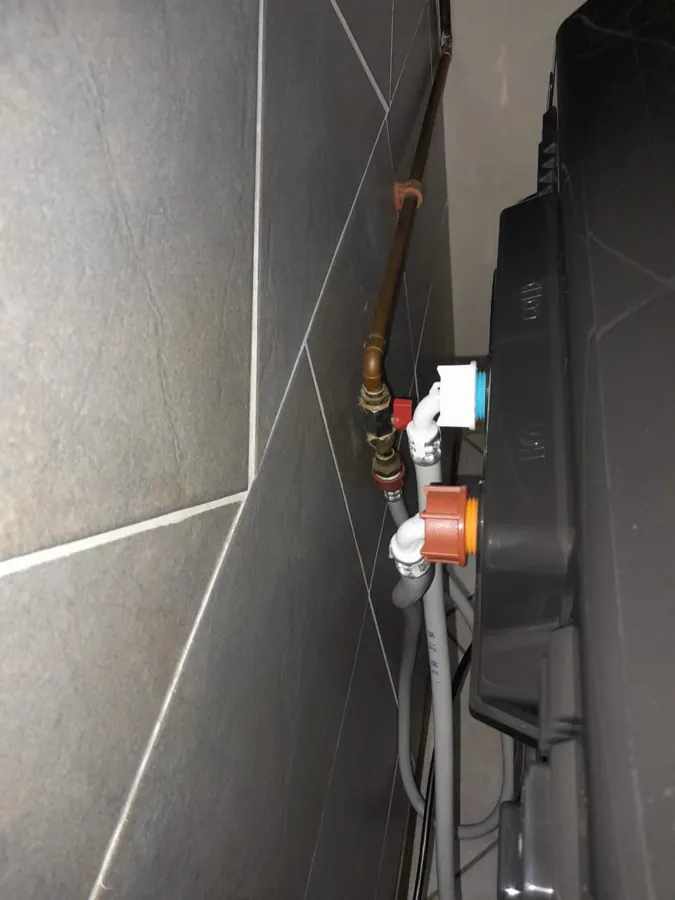
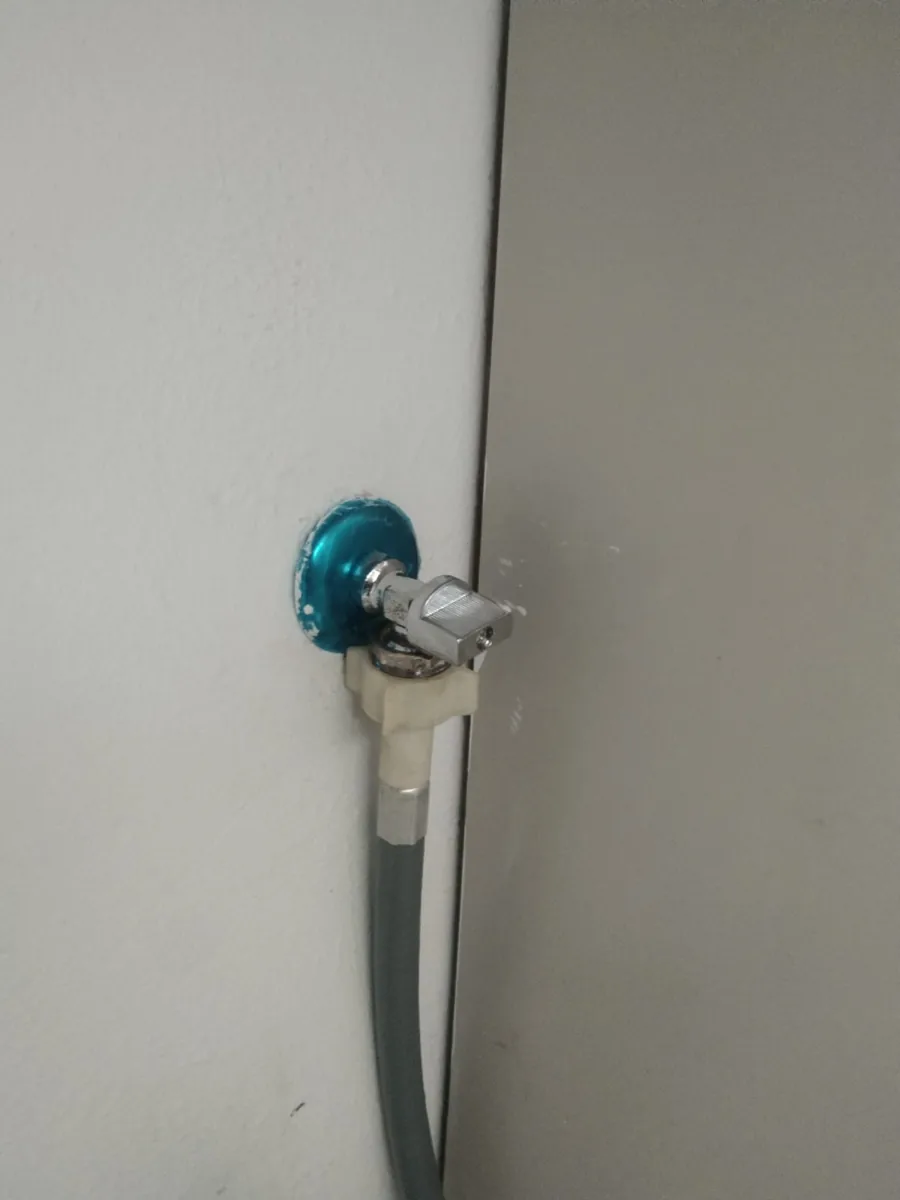
A dedicated isolation valve allows the appliance water supply to be shut off quickly if the hose leaks or the dishwasher is replaced. This is especially important in apartments, offices and fitted kitchens.
Can a dishwasher leak from a bad inlet hose?
Yes. A kinked, strained, old or poorly connected inlet hose can leak under pressure. We check the hose path and connection before the machine is pushed back into place.
What is a dishwasher high-loop waste connection?
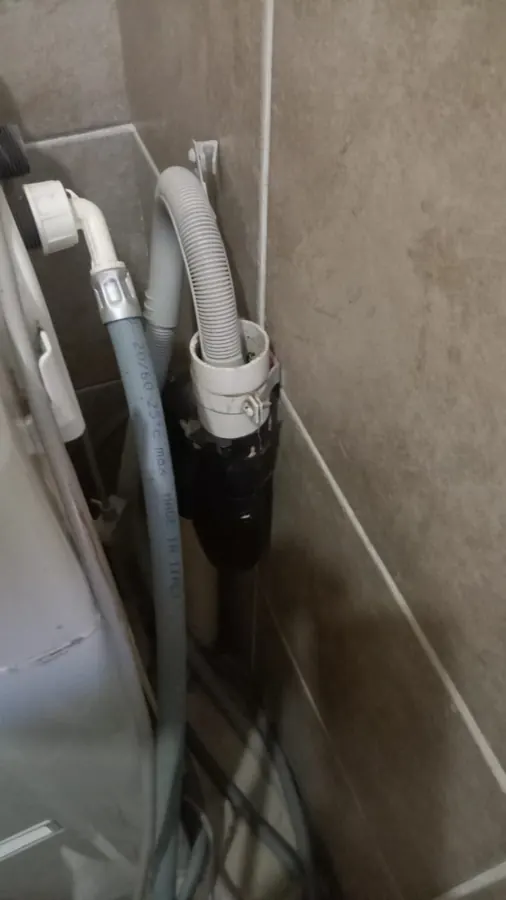
A high-loop waste connection routes the drain hose upward before it discharges, helping reduce dirty water returning to the appliance and helping protect the pump from backflow symptoms.
Why does my sink gurgle when the dishwasher drains?
Gurgling usually means the dishwasher discharge is interacting with the sink waste, trap or branch line. The appliance may be working correctly while the kitchen waste line needs plumbing attention.
Can you connect a dishwasher in an office kitchenette?
Yes. Office kitchenette connections need clear isolation, neat hose routing and enough access for future appliance replacement, especially where staff share the space and leaks may not be noticed immediately.
Do you protect custom kitchen cupboards during dishwasher work?
Yes. The cupboard layout is checked before routing hoses. The aim is to avoid rough cuts, sharp edges, crushed hoses and unnecessary damage to fitted cabinetry.
What causes water under a dishwasher after installation?
Common causes include a leaking inlet connection, loose waste hose, damaged door seal, crushed hose, poor waste height or water escaping from the trap connection during pump-out.
Can a dishwasher be connected to the sink waste?
It can be connected to a suitable sink waste arrangement if the trap connection, hose height and discharge path are correct. A poor connection can cause smells, gurgling or backflow.
Should a dishwasher share a valve with another appliance?
Shared valves can work in some layouts, but they can make isolation difficult. Where possible, a clear and accessible valve for the dishwasher is safer for maintenance and emergencies.
What should I send before booking dishwasher connection in Sandton?
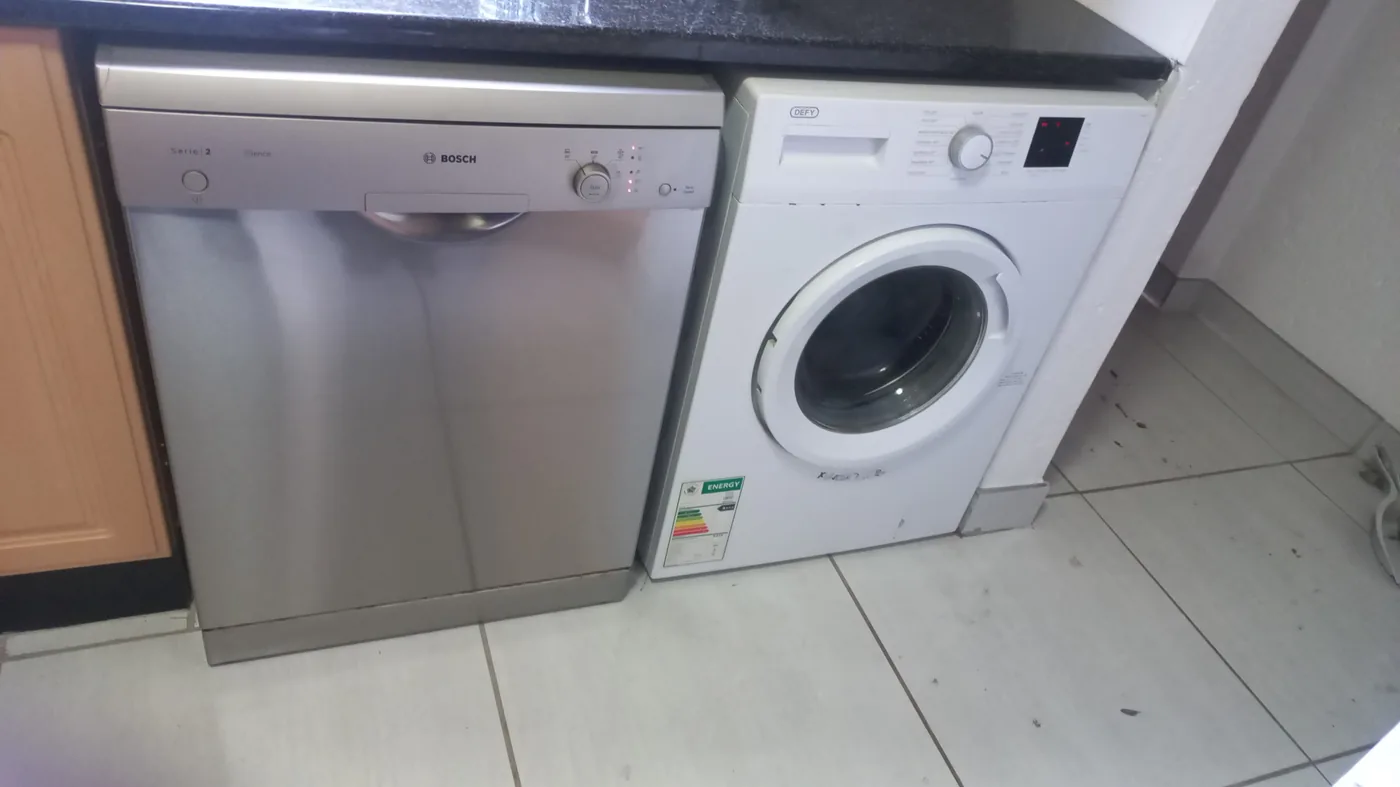
Send photos of the appliance space, the sink cupboard, existing valves, waste pipe, building name, parking or access details and whether the dishwasher is new or being reconnected.
Can you reconnect a dishwasher after kitchen renovations?
Yes. After renovations we check whether the new cupboard holes, waste point, water feed and appliance space still allow safe connection and future service access.
Why does my dishwasher smell after connection?
Smells can come from poor waste routing, a low hose, a dirty trap, stagnant water in the branch line or backflow from the sink waste into the appliance drain hose.
Are you a private plumbing company for Sandton appliance connections?
Yes. We are a privately owned plumbing company. We work on private plumbing from the meter inward, including appliance water and waste connections inside homes, apartments, offices and fitted kitchens.