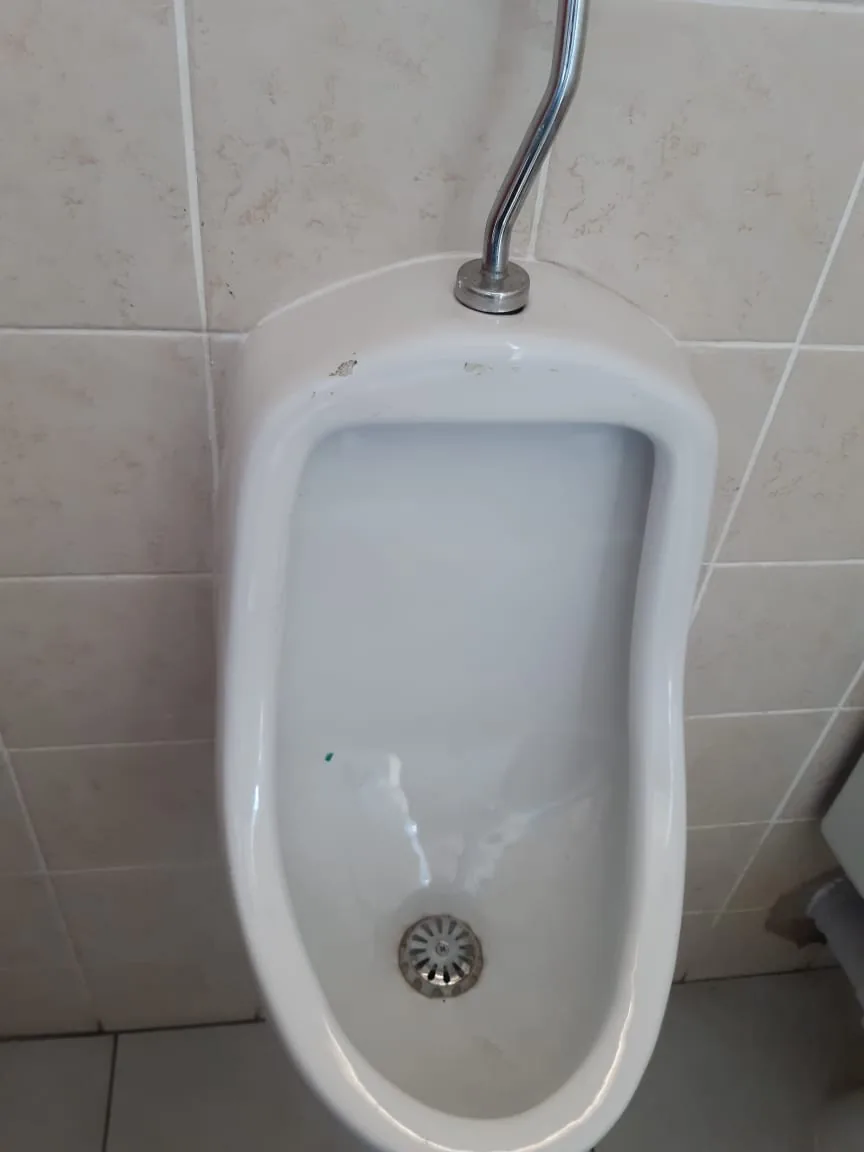
Office bathroom faults
Service detail: Office bathrooms fail through constant use: running cisterns, weak flushes, leaking angle valves, loose seats, basin leaks and blocked toilets.
What to look for: Water on the floor, flushes that never stop filling, smells, repeated blockages or staff reporting the same cubicle every week.
Repair path: Isolate the fixture where possible, check cistern parts, pan connection, waste line and supply valve, then repair without taking the whole bathroom offline unless needed.
Restaurant kitchen plumbing
Service detail: Food outlets in Sandton need drainage, hot water and sink points that can handle peak service periods without backing up.
What to look for: Slow prep sinks, floor drain smells, greasy gully overflow, leaking traps, poor hot water or wastewater appearing during busy service.
Repair path: Confirm whether the problem is a trap, branch waste, grease-heavy line, floor drain or shared outlet before clearing or repairing the affected section.
Retail and showroom plumbing
Service detail: Retail plumbing often involves public-facing finishes, small staff kitchens, display-area leaks, toilet faults and drainage that must be repaired cleanly.
What to look for: Damp skirtings, wet store-room floors, leaking basins, smells near staff areas or water that moves toward stock or electrical points.
Repair path: Protect stock and finishes first, isolate the closest safe valve, trace the fault and keep centre or landlord approval clear where required.
High-use toilets
Service detail: Commercial toilets take more strain than home toilets, so small worn parts can become repeated complaints very quickly.
What to look for: Constant refill noise, weak flushing, overflowing pans, loose pans, leaking flexi connectors or repeated blockages after normal use.
Repair path: Check the cistern mechanism, inlet valve, flush valve, pan connector and drain response before replacing parts or escalating to drain inspection.
Urinals and flush systems
Service detail: Urinals can create smells, leaks and water waste when flush valves, wastes, seals or pipework are neglected.
What to look for: Strong odours, staining, continuous flushing, no flush, leaking flush pipes, blocked waste outlets or water behind the fixture.
Repair path: Check the flush control, water feed, waste outlet, trap seal and surrounding pipework before recommending repair or replacement.
Commercial hot-water interruptions
Service detail: Businesses may depend on reliable hot water for hygiene, staff kitchens, salons, clinics, restaurants and bathroom facilities.
What to look for: No hot water, unstable temperature, leaking valves, poor pressure, noisy cylinders or several fixtures losing hot water together.
Repair path: Check the affected area, valve condition, pressure control, geyser components, electrical supply and whether the fault is local or building-wide.
Commercial leak isolation
Service detail: A leak in a business premises needs quick isolation so trading areas, tenants, ceilings and documents are protected.
What to look for: Ceiling drips, wet carpets, damp cupboards, stained ceiling tiles, meter movement, water near DB boards or a leak crossing tenant boundaries.
Repair path: Identify the nearest safe valve, contain active water, confirm whether one tenant or a shared line is affected, then expose only what is necessary.
Pressure-control problems
Service detail: Sandton buildings can experience pressure changes after outages, pump cycling, valve failures or PRV problems.
What to look for: Hammering pipes, burst flexi hoses, leaking geyser valves, mixer failures, noisy pipework or pressure that changes between floors.
Repair path: Check incoming pressure, branch valves, PRVs, pump behaviour and affected fixtures before replacing damaged components.
Planned commercial maintenance
Service detail: Planned checks help facilities teams catch small faults before they become urgent building complaints.
What to look for: Repeated toilet repairs, slow drains, valve corrosion, recurring smells, damp cupboards, old flexi hoses or hot-water complaints.
Repair path: Walk the site, record visible risks, prioritise urgent items and separate repairs that can be done immediately from planned maintenance work.