Drain Cleaning Sandton for blocked drains, gullies and apartment stacks.
Practical drain cleaning and blockage diagnosis for slow sinks, blocked toilets, overflowing gullies, restaurant grease lines, high-rise stacks and recurring Sandton drainage problems.
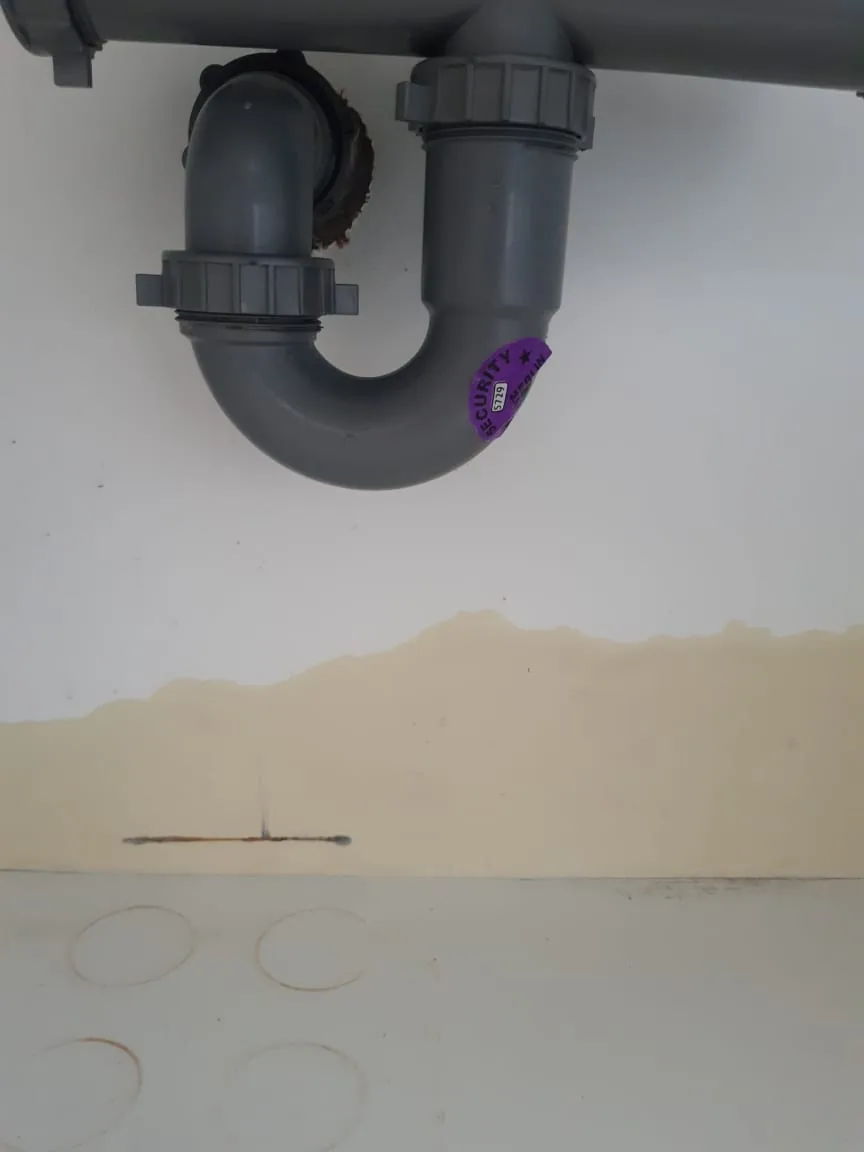
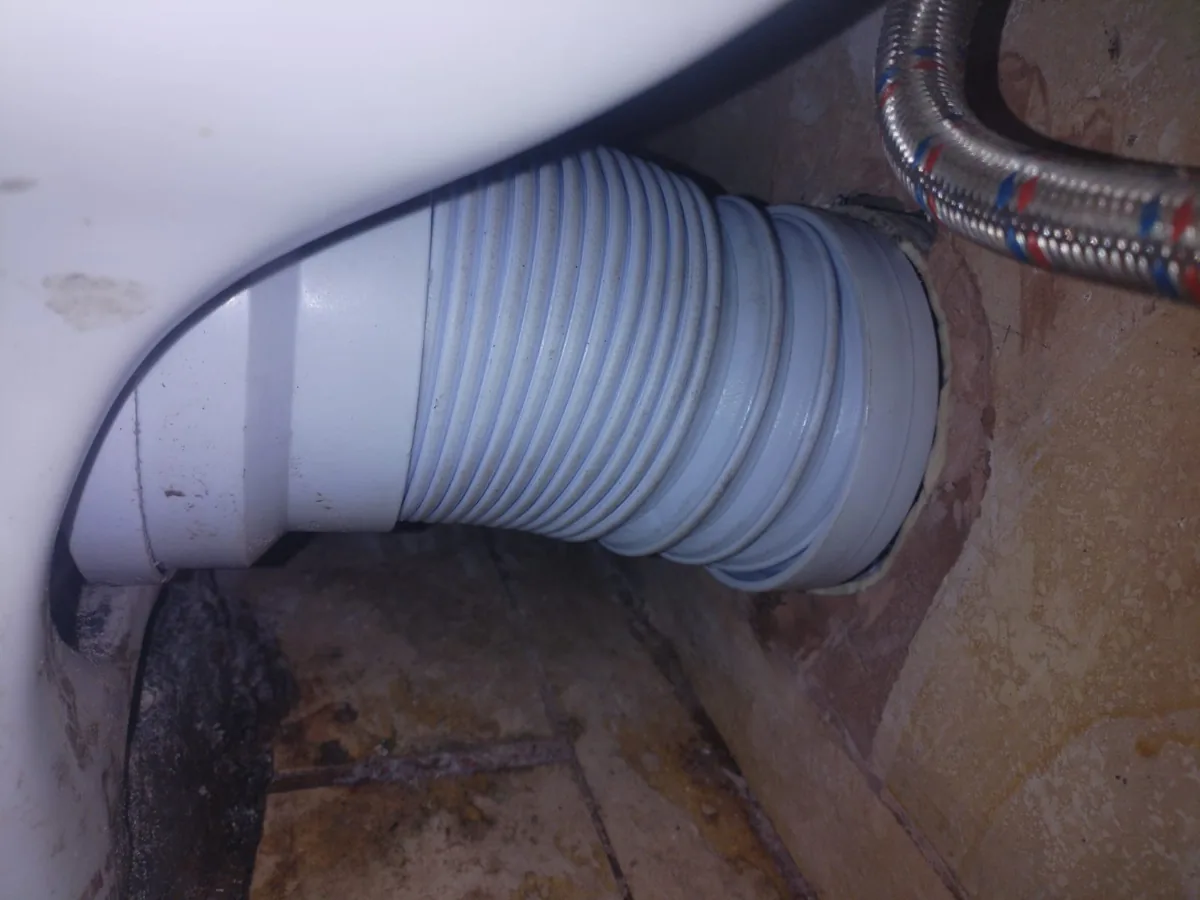
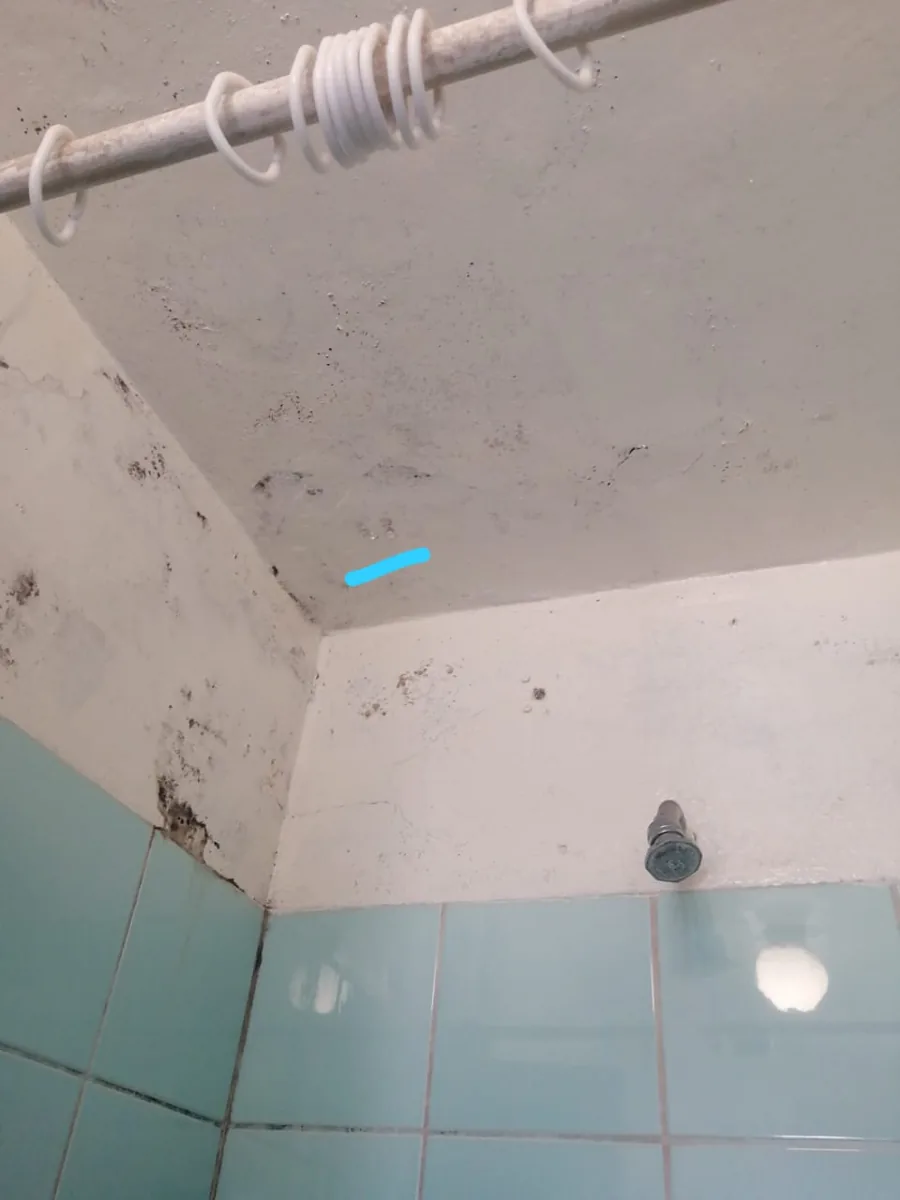
Blocked drains in Sandton are not all the same. A slow basin in an apartment, a gully overflow at an office block and a repeat kitchen backup at a restaurant can point to very different faults. The first job is to protect the property, identify whether the blockage is local or shared, and clear the line without unnecessary disruption.
Professional Sandton drain cleaning for overflowing gullies, apartment stacks and private drain restrictions.
Sandton help line067 139 9980Send the building name, location pin, photos and any gate access code.
Know where the blockage is before the repair starts.
A blocked drain can be a simple trap restriction, a grease-filled kitchen line, a toilet branch fault, a shared stack issue or a main private drain problem. In Sandton apartments, restaurants, offices and estates, the useful question is not only “is it blocked?” but “which section of the drainage system is affected?”
Private drain responsibility
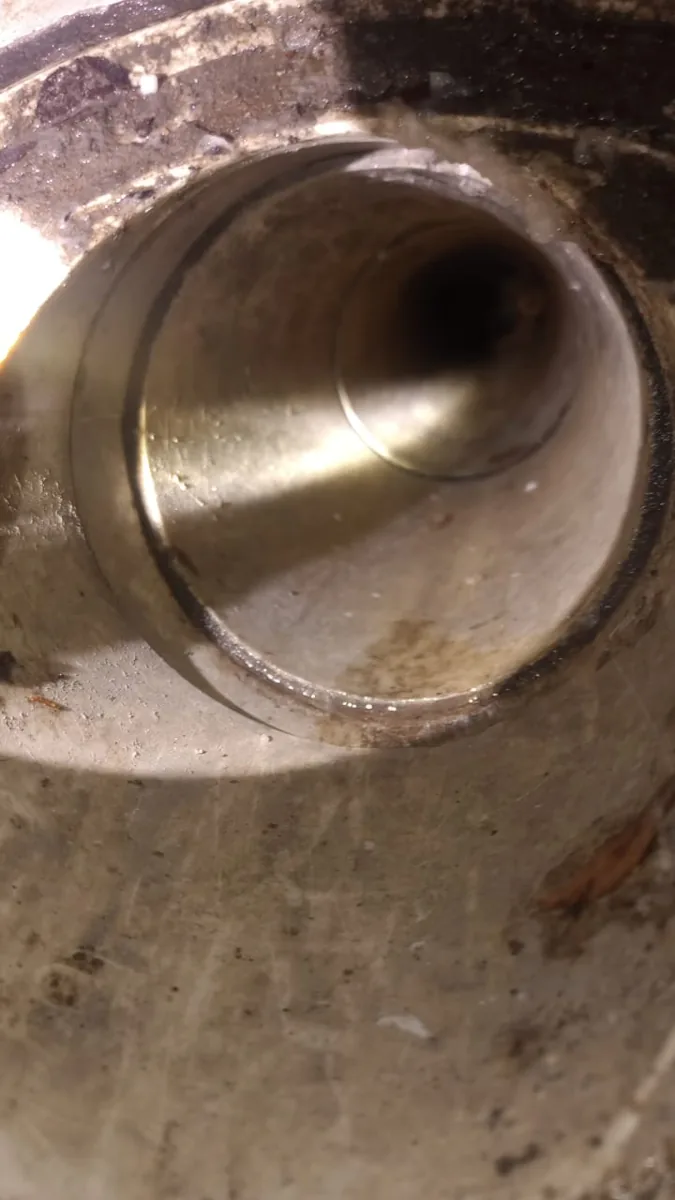
Our work focuses on the private plumbing and drainage inside the property boundary. In sectional-title buildings and managed office blocks, we help explain whether the symptom appears to be inside one unit, affecting a shared stack, or linked to a common-property drain.
Sandton access matters
For Sandton City surroundings, Sandown, Morningside, Rivonia Road, Grayston Drive and high-security estates, access details can speed up the job. Send the building name, gate process, loading-bay instructions, nearest drain point and photos of the affected fixture or gully.
Repeat blockages need a cause
If the same drain keeps blocking, the line may need more than another quick clearing. Grease build-up, poor fall, root intrusion, a displaced joint, a damaged inspection eye or a shared stack restriction can all create the same visible symptom.
WhatsApp location pin and access code
For faster dispatch to Sandton estates, office towers and access-controlled blocks, WhatsApp your Google location pin, building name, unit or shop number and gate access code to 067 139 9980. Drain jobs move faster when security clearance is solved before the technician arrives.
Sandton drain cleaning
Drain Cleaning Sandton: high-rise, restaurant and outside-gully problems.
Sandton drainage problems are not all the same. A slow basin in a Sandown apartment, a grease-heavy restaurant line near Nelson Mandela Square and an outside gully in Sunninghill can look similar at first, but each one needs a different cleaning approach and a different level of access.
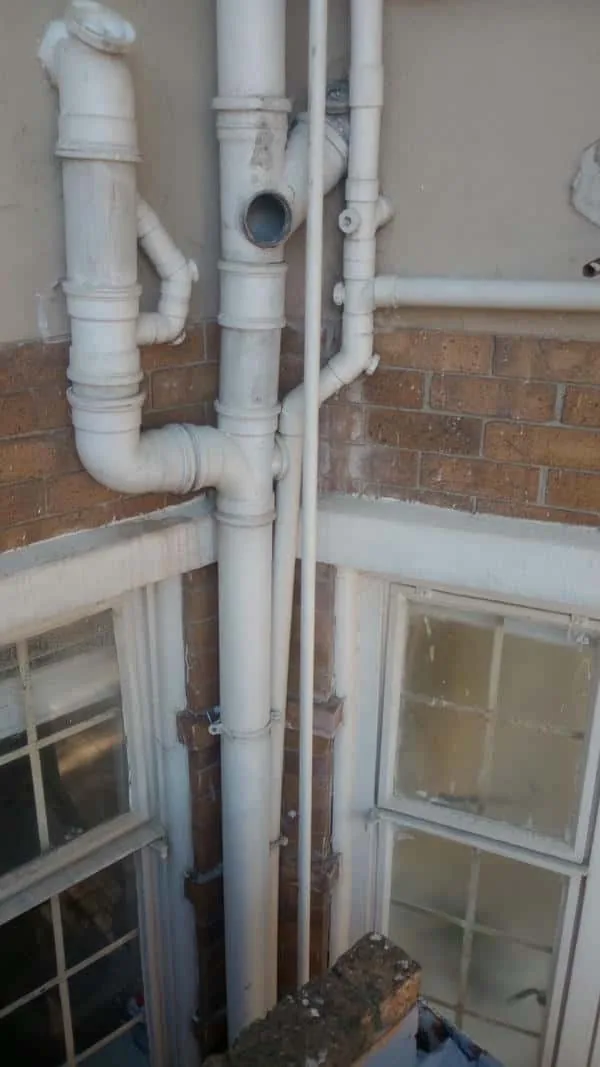
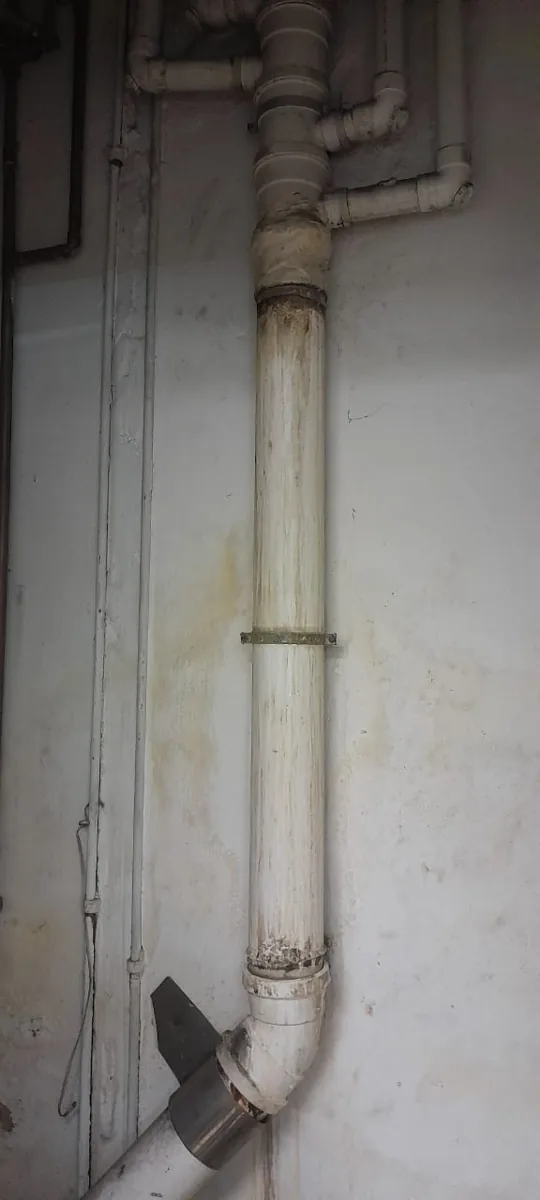
High-rise vertical stack restrictions
High-rise stack access matters when several apartments or office bathrooms react at once.
Service detail: In high-rise buildings near Sandton City, The Marc, West Street and Grayston Drive, a blocked drain can sit inside a shared vertical stack rather than inside one private basin or toilet branch.
What to look for: more than one unit reporting smells, bubbling toilets after upstairs use, shower water rising unexpectedly or wastewater returning even after the local trap has been cleared.
Repair path: confirm whether the symptom is inside the unit, inside a branch line or inside the shared stack, then use the most practical cleaning point before unnecessary breaking or repeated plunging is attempted.
Restaurant grease-line cleaning
Service detail: Food outlets in Sandton CBD, Rivonia, Morningside and office-park kitchens often deal with grease, food debris and high-use sink lines that need more than a quick sink plunger.
What to look for: water returning after a busy service, trap smells, slow prep sinks, gully overflow near the kitchen area or repeat blockages after normal trading hours.
Repair path: isolate the affected waste line, clear the restriction, check the trap and gully behaviour, then advise whether grease control or scheduled maintenance is needed to prevent revenue-disrupting repeat blockages.
Sunninghill and Paulshof silt build-up
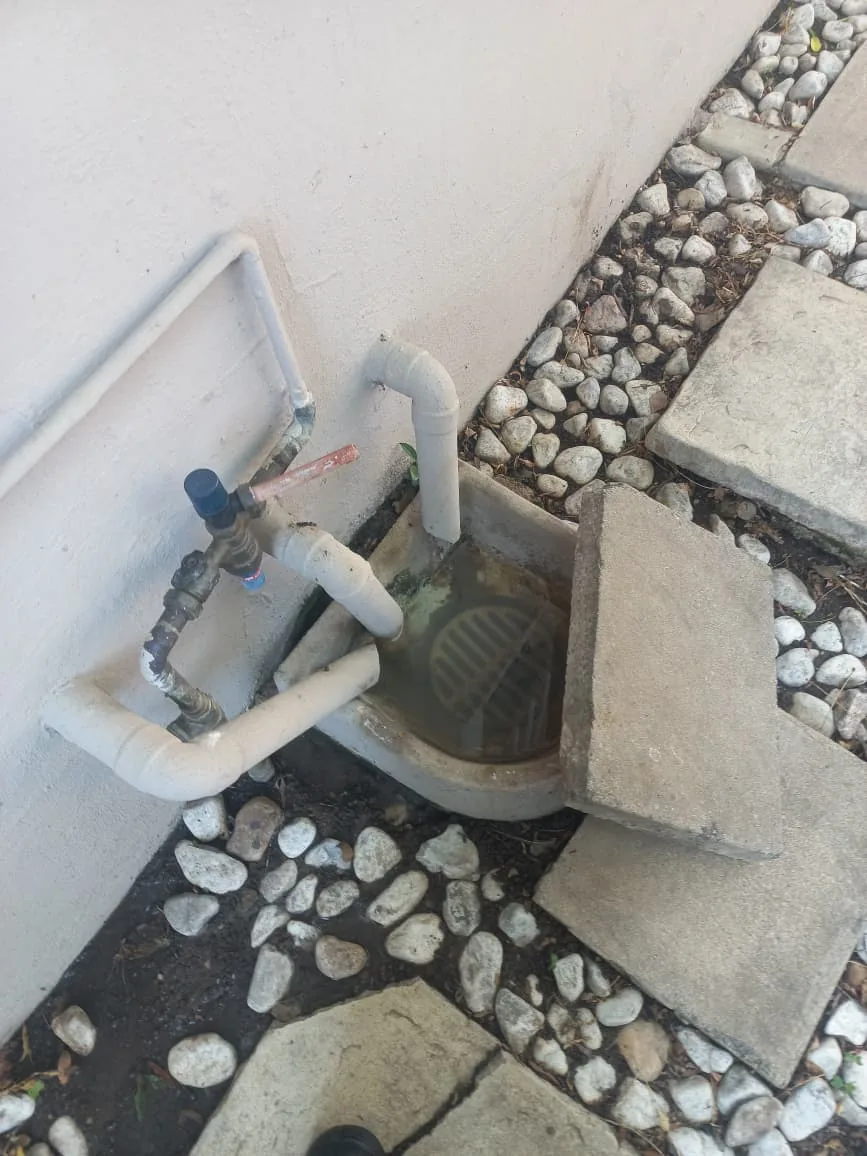
Silt and garden runoff can slow outside gullies and private drain lines.
Service detail: In lower-lying or runoff-prone areas such as Sunninghill and Paulshof, outside gullies and storm-exposed paving can collect sand, silt and debris that slowly restricts the drain.
What to look for: gully water rising after rain or heavy use, gritty sediment around covers, slow outside drainage and repeated overflow even when the indoor fixture seems normal.
Repair path: clear the gully and connected waste run, check whether stormwater is incorrectly entering the sewer line and confirm whether silt or a downstream restriction is the main cause.
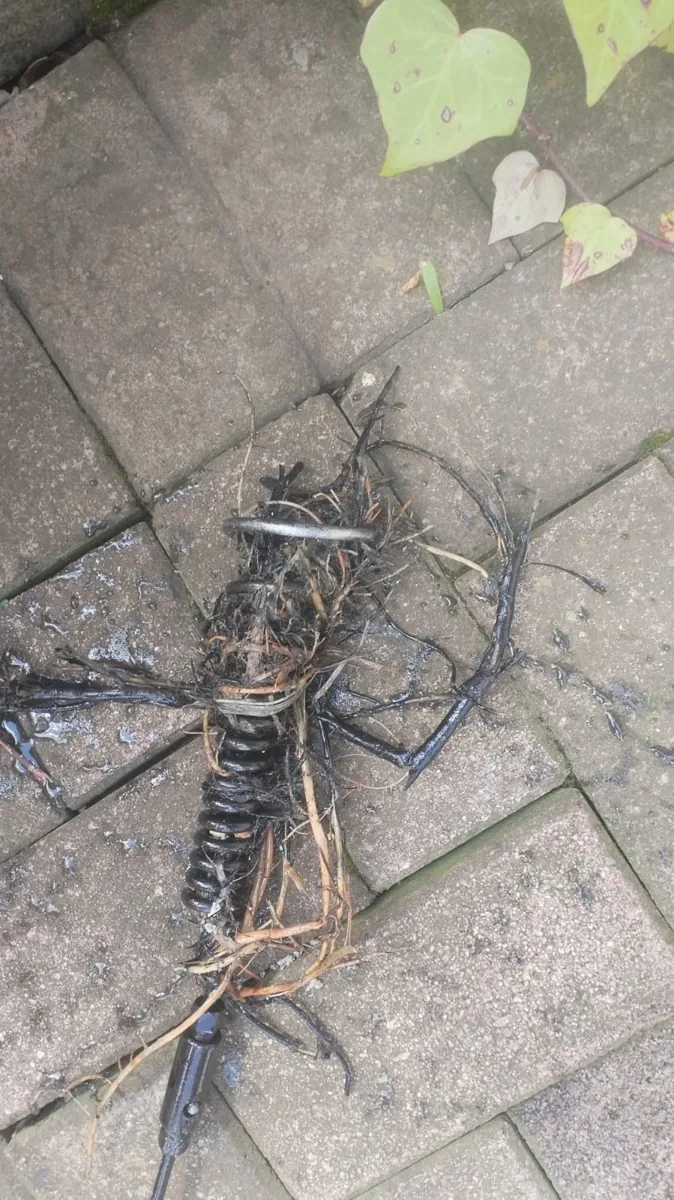
Bryanston and Morningside root intrusion
Root intrusion is a common reason for repeat private drain blockages in established garden areas.
Service detail: Established gardens in Bryanston, Morningside and Hyde Park can place roots close to older private drain runs, inspection eyes and boundary-side sewer connections.
What to look for: repeat blockages after clearing, outside gully overflow, earthy smells, slow toilets and a blockage that returns every few weeks or months.
Repair path: clear the line first, then assess whether the blockage behaves like grease, silt, collapsed pipework or root intrusion so the customer is not paying for the same temporary clearing over and over.
Morningside and River Club greenbelt roots
Service detail: Properties along the Morningside and River Club border can be affected by vegetation and moisture around the Braamfontein Spruit greenbelt. Repeat blockages in these areas often need investigation, not only a quick clearing.
What to look for: A drain that clears and blocks again, outside gully overflow after normal use, slow toilets after rain, or garden areas that stay unusually wet near the drain line.
Repair path: Clear the immediate restriction, then consider CCTV drain inspection when roots or collapsed pipe sections are suspected. This helps decide whether repair, replacement or periodic maintenance is the sensible next step.
Blockage types
Choose the drain symptom you are seeing.
Use these notes to describe the problem clearly when you contact the team. A few details — which fixture is slow, whether wastewater is returning, and whether more than one drain is affected — can change the repair approach completely.
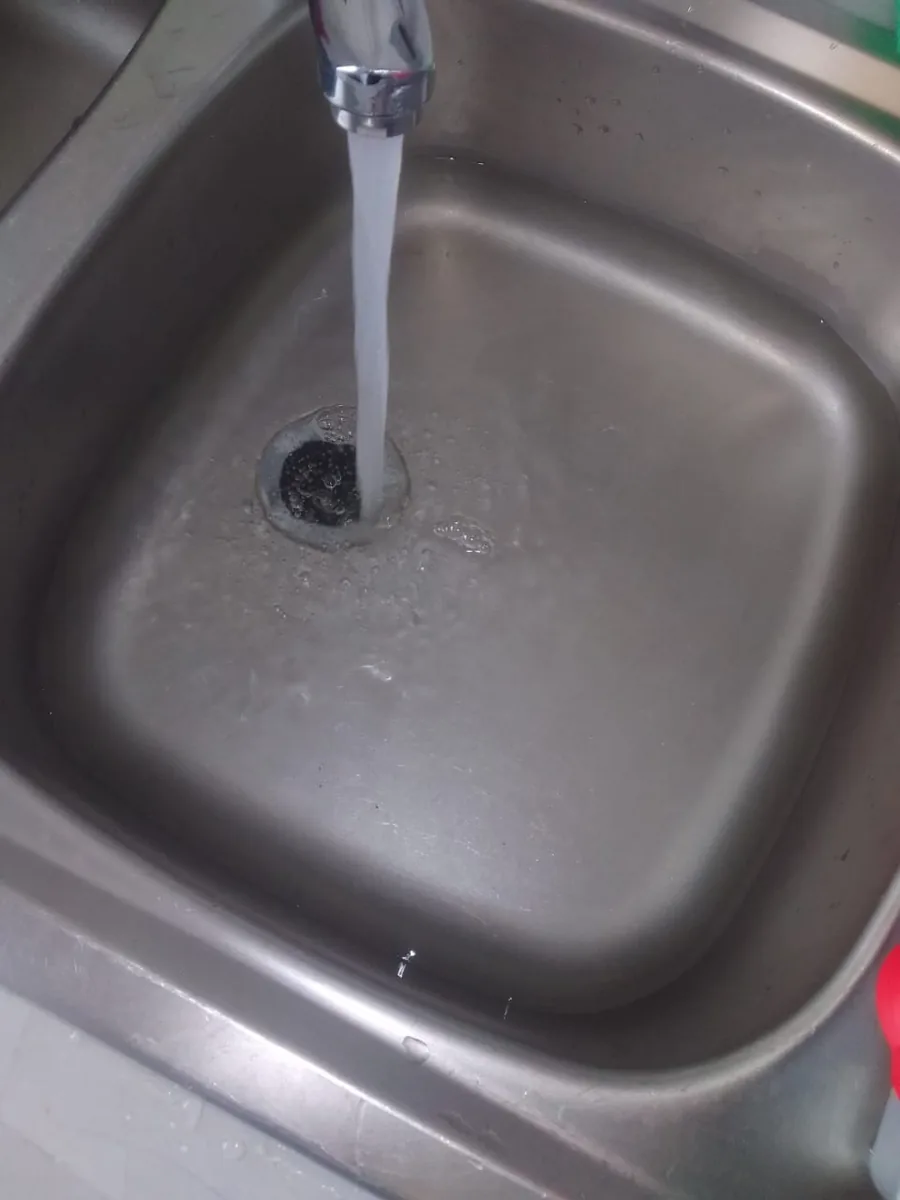
Kitchen sink blockage
Kitchen sink restrictions often start with grease, food residue or a blocked trap.
Service detail: Kitchen sinks in Sandton apartments, offices and restaurants often block from fat, food residue, coffee grounds, soap film and poor waste-pipe fall.
What to look for: Slow draining, gurgling after the dishwasher runs, smells from the cupboard, water backing into the second bowl or leaking from the trap.
Repair path: Check the trap first, then the branch waste line. For repeat blockages, the line may need a deeper clean rather than another temporary sink-plunger attempt.
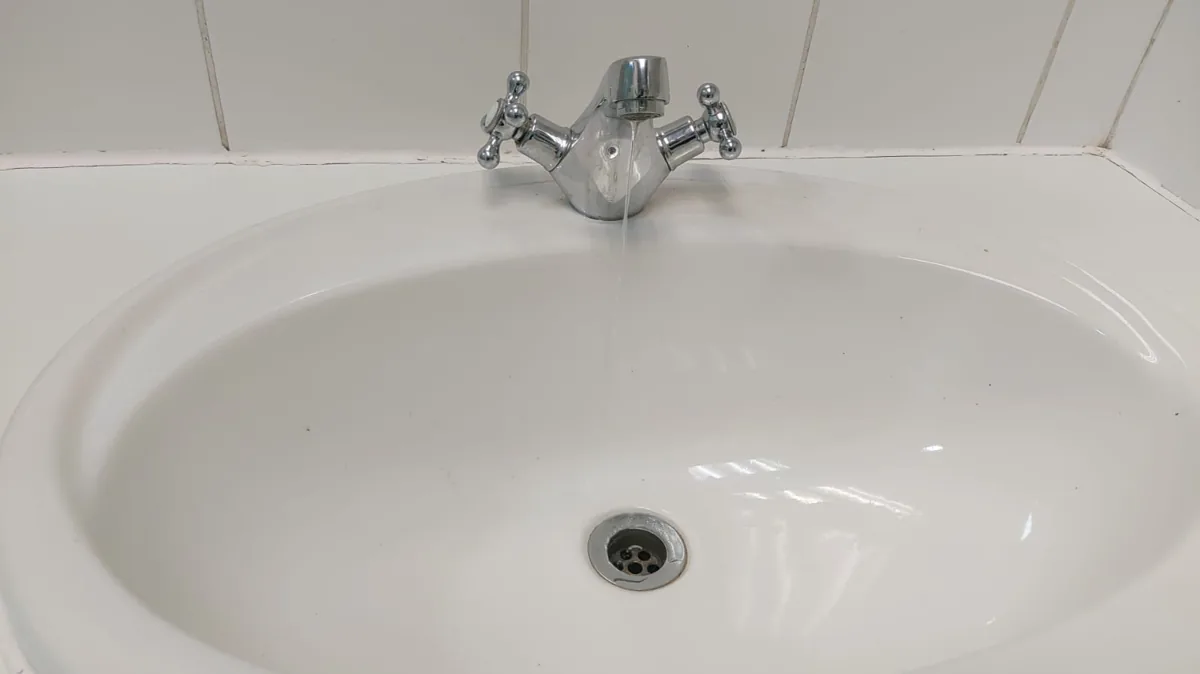
Bathroom basin blockage
A basin that drains slowly can point to a plug, trap or branch-line restriction.
Service detail: Basin restrictions are commonly caused by hair, toothpaste residue, soap build-up, pop-up plug faults or a blocked bottle trap inside the vanity.
What to look for: Water standing in the basin, a slow gurgle, unpleasant smells, damp vanity boards or water escaping at the trap when the basin is used.
Repair path: Inspect the plug, waste and trap before assuming the wall pipe is blocked. This protects vanities and avoids unnecessary opening of finishes.
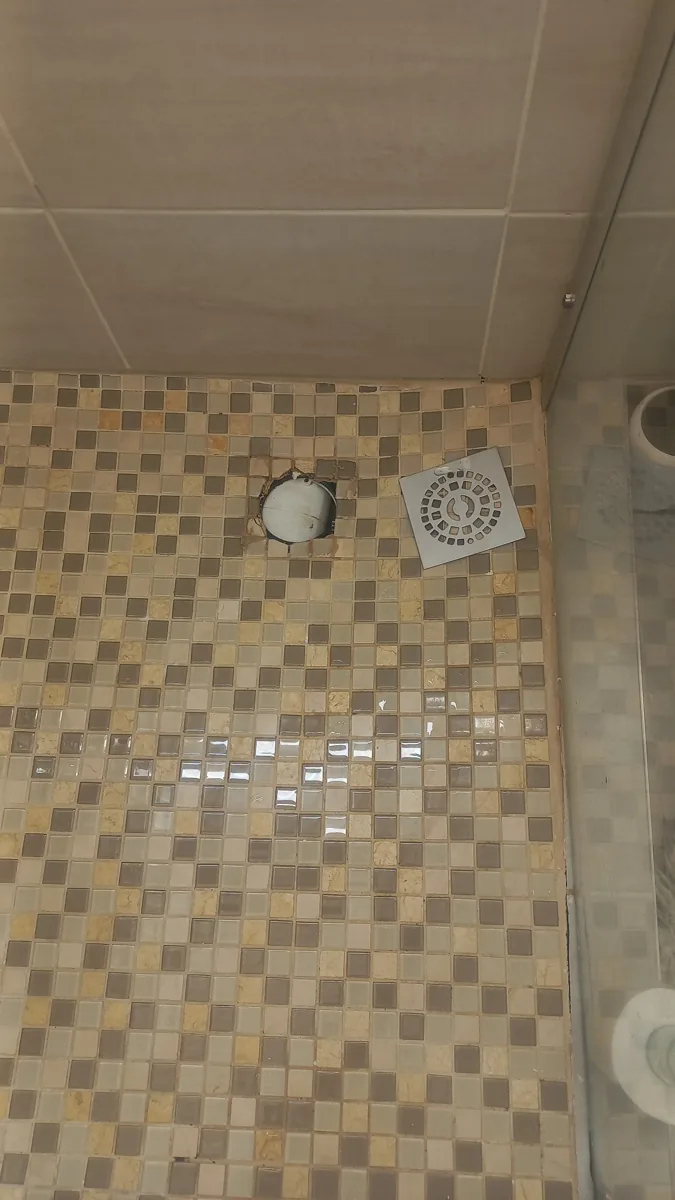
Shower drain blockage
Standing water in the shower means the drain needs attention before it spreads further.
Service detail: Shower drains block from hair, soap residue, tile grout, renovation dust and restrictions in the shower waste or bathroom branch line.
What to look for: Water pooling around the waste, slow drainage, smells after the shower, bubbling at another bathroom fixture or wet grout lines near the shower edge.
Repair path: Clear the accessible waste first, then test whether the restriction is limited to the shower or shared by the basin, bath or floor drain.
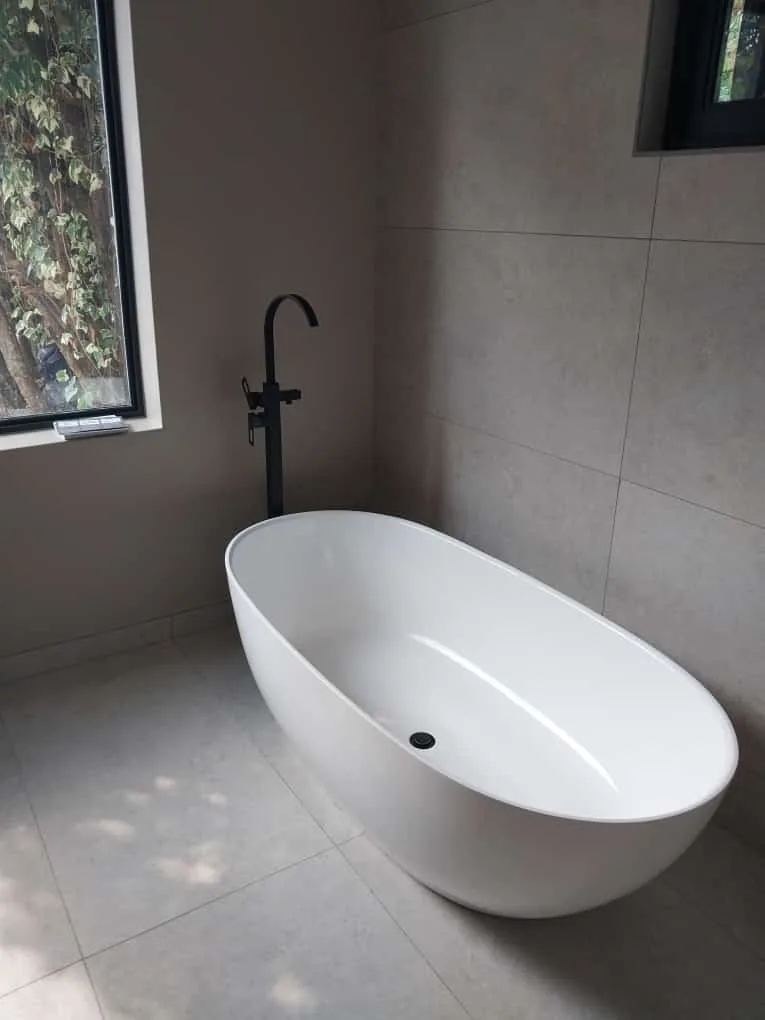
Bath waste blockage
A slow bath can be caused by hair, soap residue or a restricted waste line.
Service detail: Bath drains can restrict gradually because hair and soap settle in the trap or waste line, especially where the bath is used by families, tenants or short-stay guests.
What to look for: Dirty water draining slowly, water returning after release, a smell at the overflow, or water marks around the bath panel or adjoining wall.
Repair path: Check the waste, overflow and accessible trap area. If the bath waste is hidden, careful diagnosis matters before cutting panels or disturbing tiles.
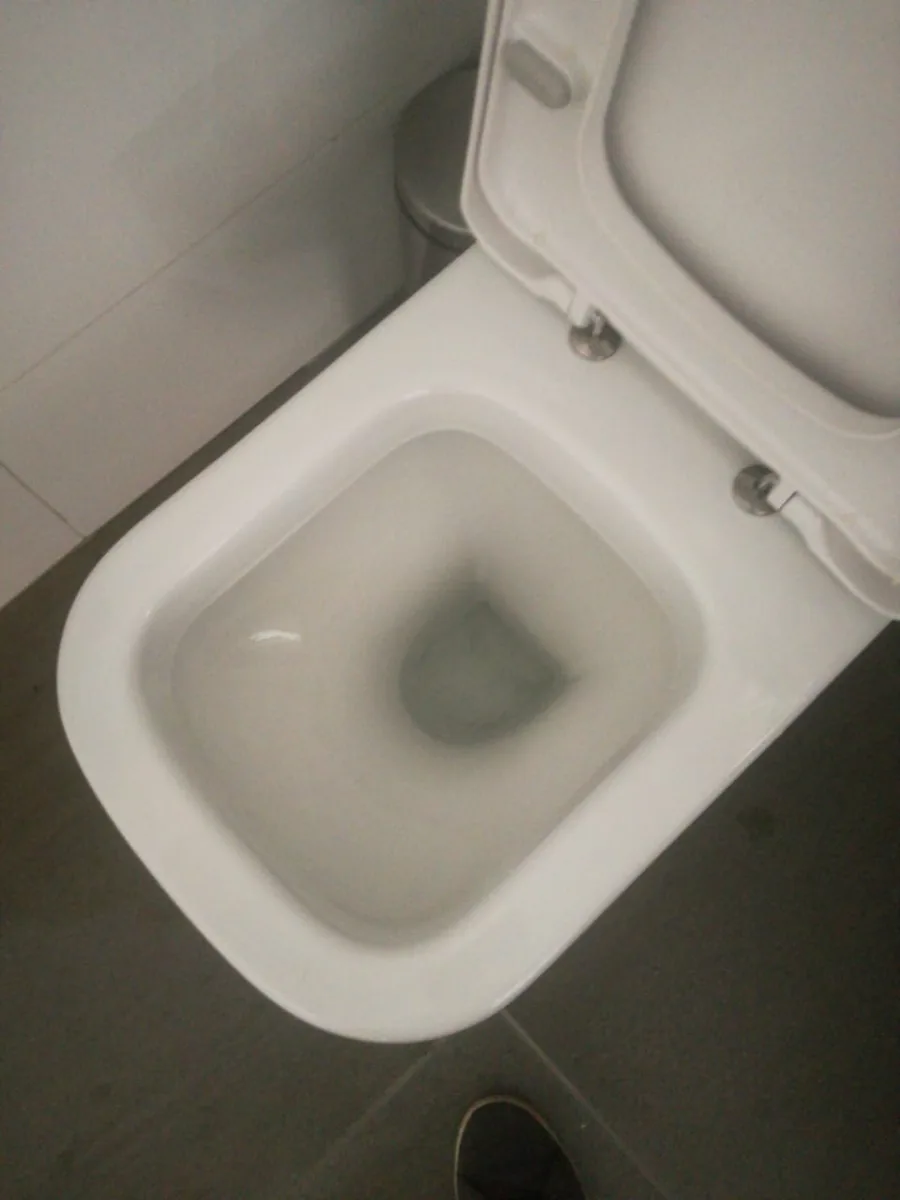
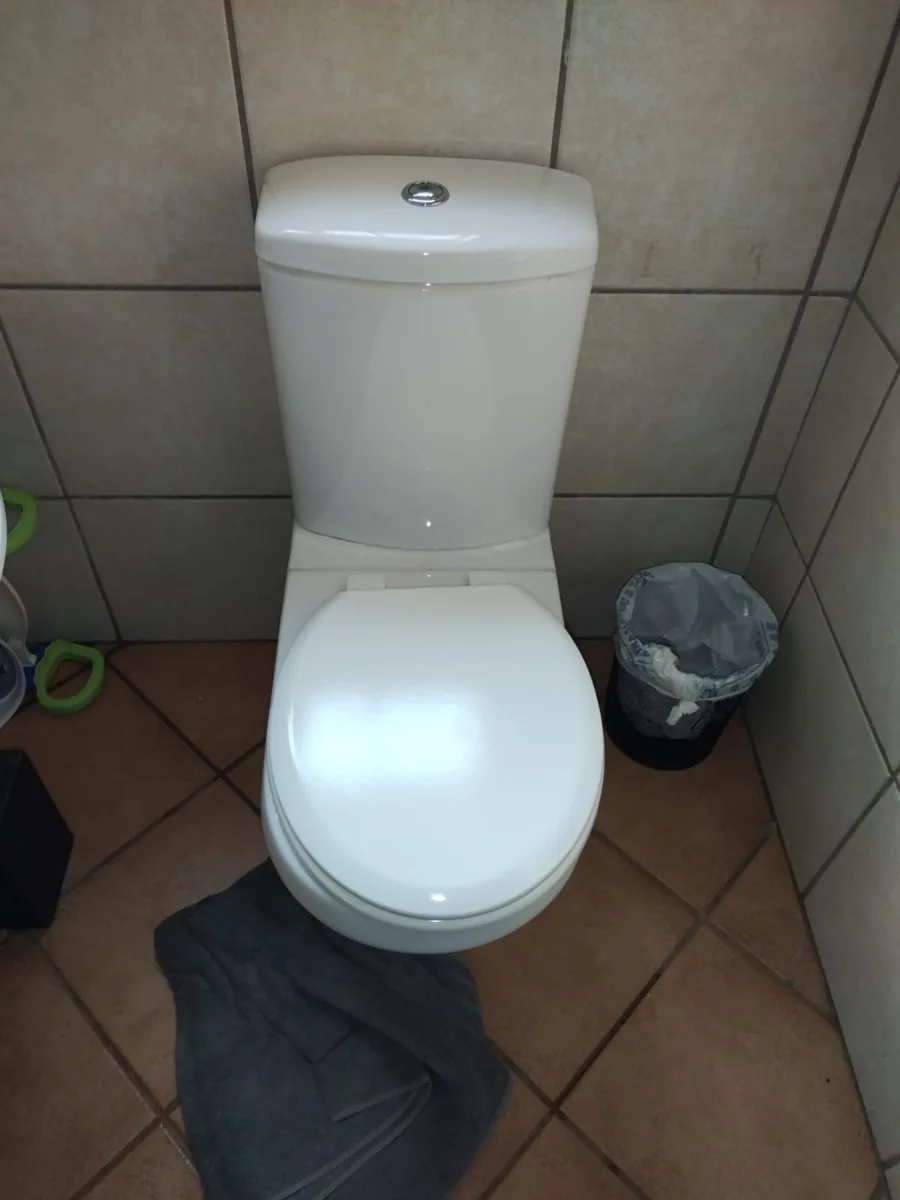
Blocked toilet
A blocked toilet becomes urgent when it is the only toilet or wastewater starts returning.
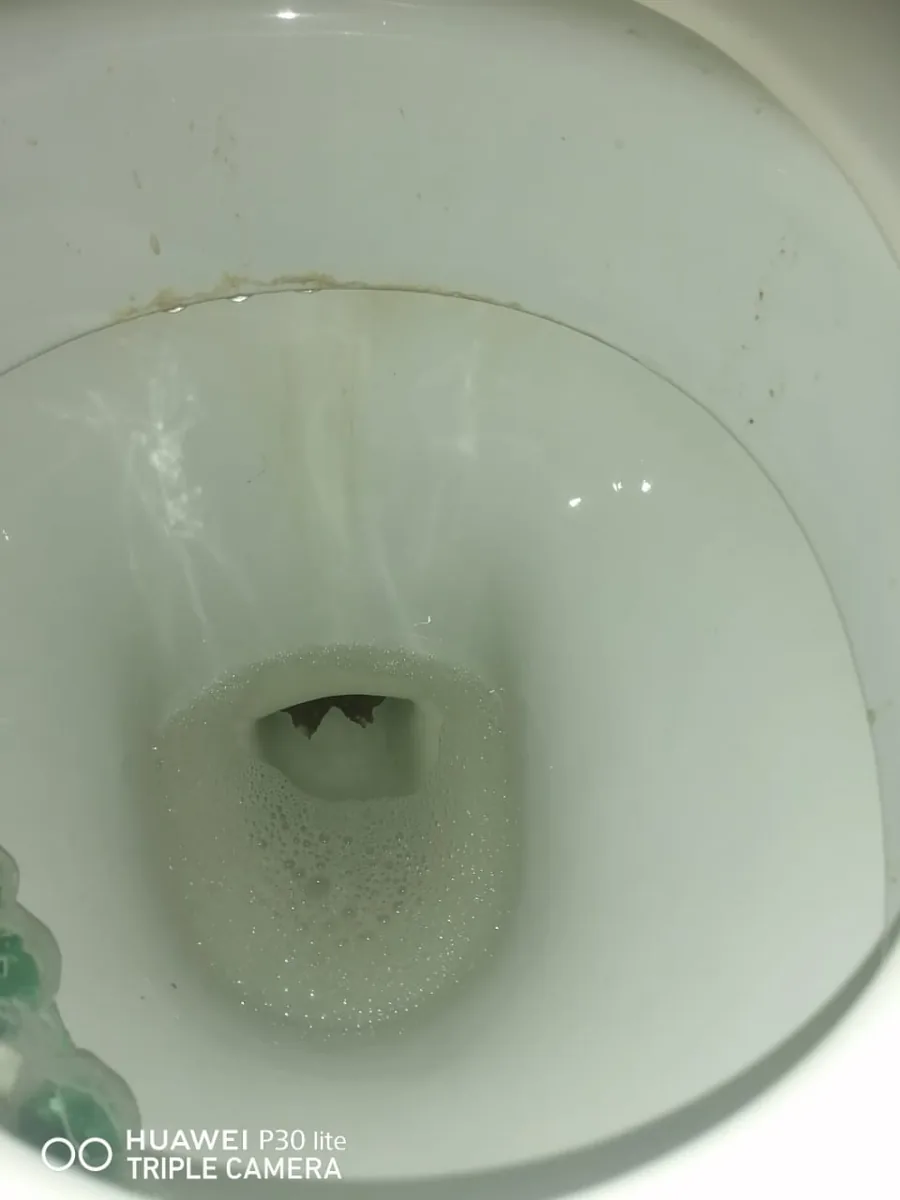
Service detail: A blocked toilet can be local to the pan, caused by items in the trap, or connected to a larger branch drain or stack problem.
What to look for: The bowl rises when flushed, wastewater drains away slowly, the toilet bubbles after a shower, or more than one toilet is affected.
Repair path: Stop flushing, avoid chemical cleaners and check whether other fixtures are backing up. The repair changes if the fault is in the pan, branch line or shared stack.
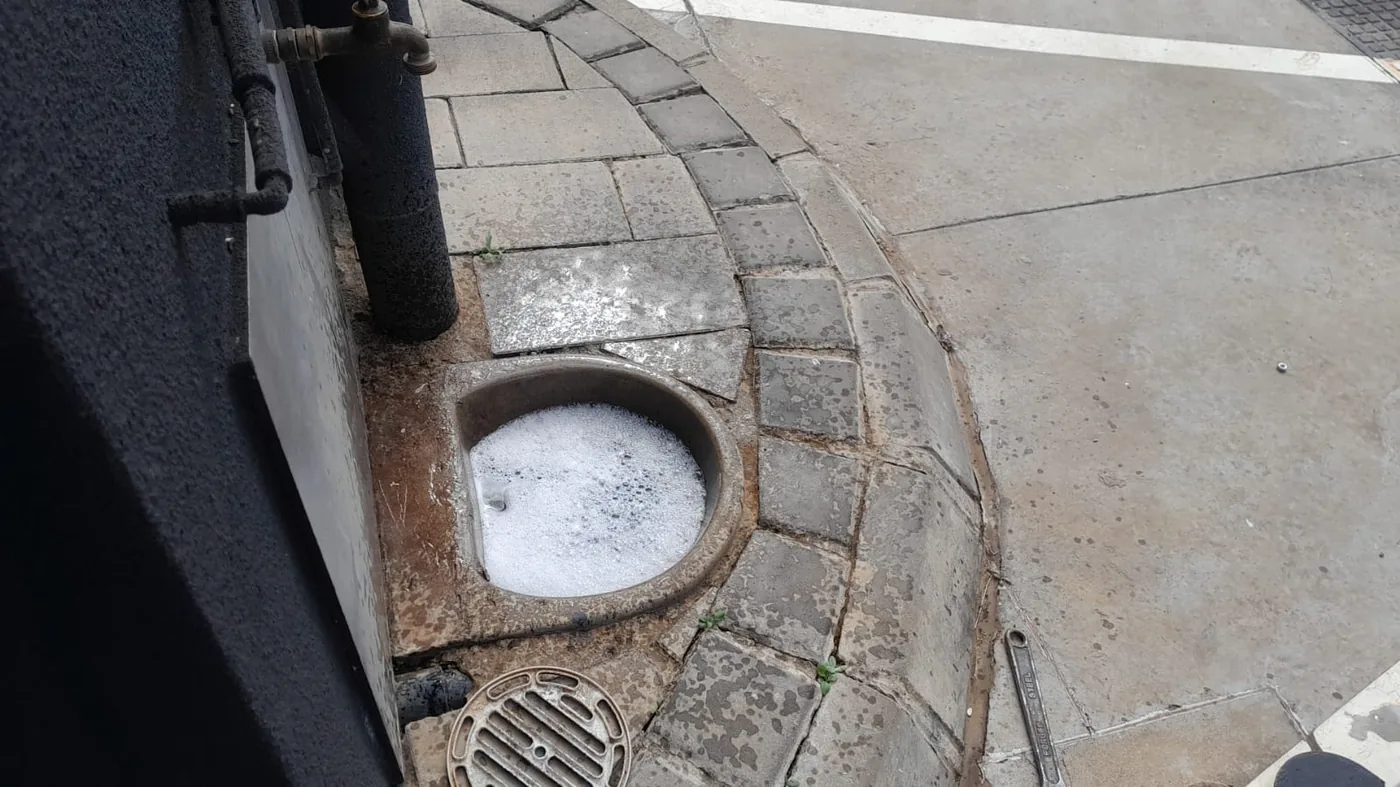
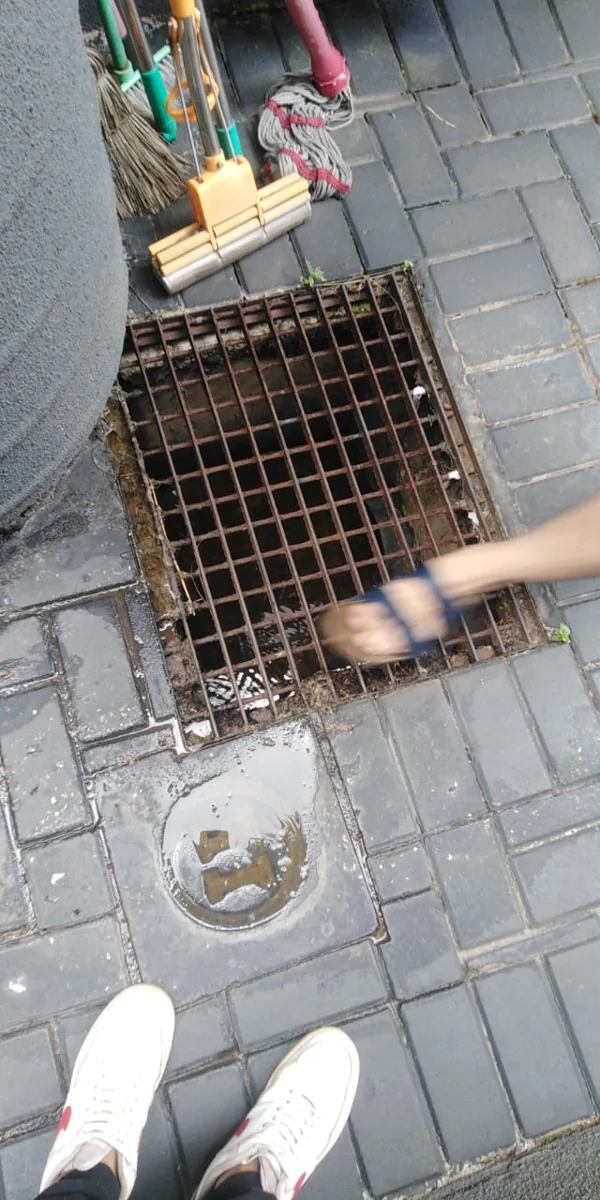
Outside gully overflow
Outside gully overflow often points to a downstream private drain restriction.
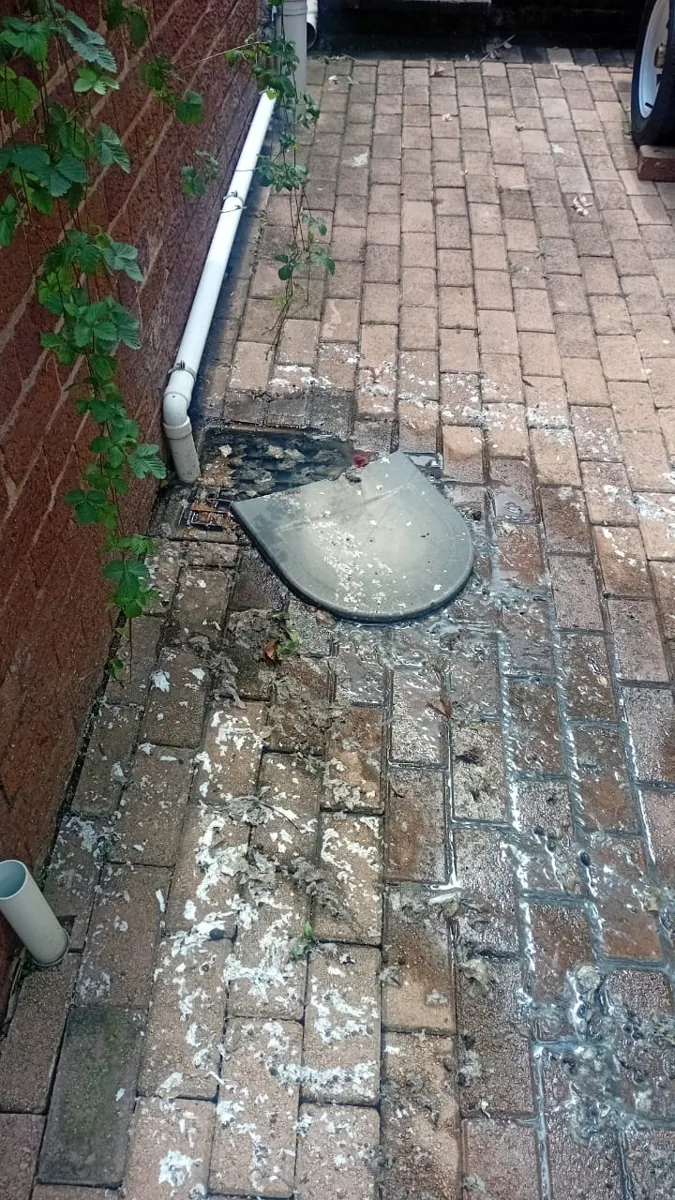
Service detail: A gully overflow usually means wastewater is unable to leave the private drain line fast enough. This can affect homes, restaurants, office blocks and estate driveways.
What to look for: Soapy water outside, wastewater around a grid, smells near paving, wet soil around an inspection eye or overflow after several fixtures are used.
Repair path: Clear the private drain line and check if the restriction is grease, silt, roots, a damaged fitting or a blocked inspection point.
Apartment stack blockage
Apartment stack problems can affect more than one unit and should be diagnosed carefully.
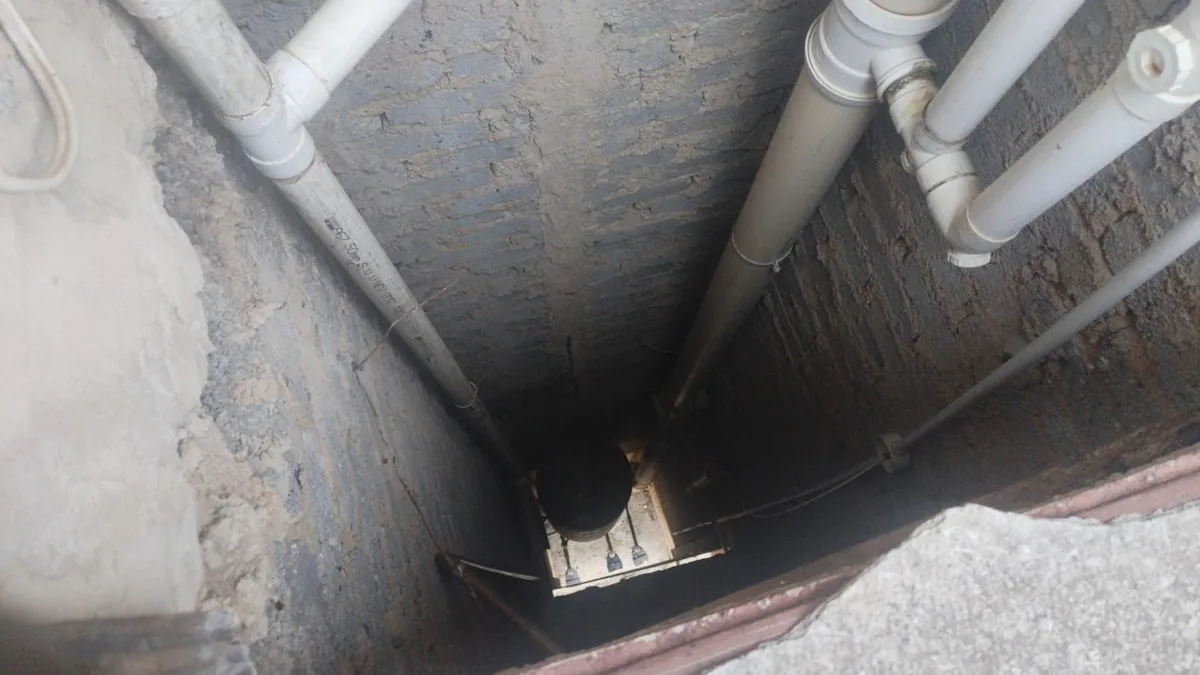
Service detail: In high-rise and apartment buildings, a blockage may sit in a shared vertical stack rather than inside one bathroom or kitchen.
What to look for: Several units affected, bubbling toilets, wastewater appearing in lower units, repeated smells or a fault that returns after one unit’s trap is cleaned.
Repair path: Record which units are affected and notify building management. The technician can help separate private-unit symptoms from a common-property stack issue.
Restaurant grease blockage
Service detail: Food businesses around Sandton CBD, Sandown, Morningside and Rivonia can suffer repeat drain restrictions when grease and food solids cool inside waste lines.
What to look for: Slow prep sinks, staff kitchen smells, gully overflow after service, greasy residue, repeat backups at peak trading times or floor drains that cannot keep up.
Repair path: Clear the affected line, assess grease build-up and advise on prevention so the same blockage does not keep interrupting trading.
Office bathroom drain restriction
Office bathroom restrictions can quickly become a business disruption.
Service detail: Office bathrooms often have high use during business hours, so one slow drain can quickly become a hygiene and tenant-management problem.
What to look for: Smells in shared bathrooms, slow basins, blocked urinals, floor drain odours, toilet bubbling or complaints from several tenants on one floor.
Repair path: Isolate the affected bathroom where possible, clear the restriction and document the symptom for facilities teams or managing agents.
Stormwater and drain confusion
Stormwater and sewer lines must not be confused when diagnosing overflow.
Service detail: During rain or after cleaning outside areas, customers may confuse stormwater movement with a sewer or waste-line blockage.
What to look for: Water around outside drains, surface runoff, smells, wastewater residue, overflow after indoor fixtures are used or flooding only during rain.
Repair path: Identify whether the issue is wastewater, stormwater or surface drainage before cleaning the wrong line.
Repeat blockage investigation
A repeat blockage needs investigation rather than another temporary clearing.
Service detail: A drain that blocks again and again needs a cause-based inspection, not just another temporary clearing.
What to look for: The same line blocks every few weeks, a drain clears then slows again, roots appear, gully overflow returns or smells never fully disappear.
Repair path: Clear the line, note the blockage material and check for damage, roots, poor fall, grease, building debris or shared-line restrictions.
Urgent drain backup
Drain backups become urgent when wastewater returns into usable rooms.
Service detail: A blockage becomes urgent when wastewater is entering a living space, office, restaurant, basement, lower unit or high-traffic bathroom.
What to look for: Wastewater coming up through a floor drain, toilet overflow, water reaching carpets, a lower unit affected or a business bathroom that cannot be used safely.
Repair path: Stop using the affected fixtures, keep people away from wastewater and send photos so the team can prepare for the correct access and clearing method.
Connected help
When a blockage points to another plumbing issue.
Some drain symptoms are simple. Others are warning signs of a larger plumbing fault. Use these links when the blockage is connected to active water damage, hidden leaks, burst pipes, bathroom faults or kitchen waste problems.
Emergency plumber Sandton
Emergency support is needed when wastewater is entering a room or business area.
Use this when: wastewater is entering a room, a toilet is overflowing, water is near electrics or a business bathroom cannot be used safely.
What to look for: active overflow, contaminated water, lower-unit damage, ceiling marks or a blockage affecting more than one area.
These answers focus only on Sandton blockages, drain cleaning, vertical stacks, restaurant grease, outside gullies, silt, roots and repeat restrictions.
What are the first signs of a blocked drain in Sandton?
Early signs include slow draining, gurgling sounds, bad smells, bubbling toilets, water standing in a shower, or an outside gully that overflows after normal use. In apartments and office buildings, more than one fixture reacting at the same time can point to a branch line or shared stack restriction.
When is a blocked drain urgent?
Treat it as urgent when wastewater is backing up into a bathroom, shower, kitchen, office bathroom or restaurant floor area, when the only toilet is blocked, or when an outside gully is overflowing near entrances, kitchens or public areas.
Do you provide drain cleaning in Sandton CBD restaurants after hours?
Yes. Restaurant and food-service drain problems are often business-critical. For Sandton CBD, Rivonia, Morningside and nearby commercial kitchens, send the location pin, affected sink or gully, photos and trading urgency so the drain-cleaning approach can be planned around access and safety.
What is a vertical stack blockage in a Sandton apartment building?
A vertical stack is the shared drainage pipe that carries waste from multiple floors. If several units have smells, bubbling toilets or returning wastewater, the issue may be in the stack or branch connection rather than one private trap.
Why does my kitchen sink keep blocking after it has been cleared?
Repeat kitchen sink blockages often come from grease, food debris, poor pipe fall, a restricted trap, or a deeper branch-line restriction. If the blockage returns quickly, the line needs diagnosis rather than another quick temporary clearing.
Why is my outside gully overflowing in Sandton?
Outside gully overflow can be caused by a blocked private drain, grease build-up, silt, roots, a downstream restriction or stormwater entering the wrong line. Photos of the gully and nearby inspection covers help identify the safest first clearing point.
Are Sunninghill and Paulshof drains affected by silt build-up?
They can be. In runoff-prone areas, outside gullies and paved drainage areas may collect sand, silt and debris. If the gully overflows after rain or heavy use, the inspection should check for silt as well as a normal waste-line blockage.
Are Bryanston and Morningside drain blockages often caused by roots?
In established garden areas, roots can affect older private drain runs, inspection eyes and boundary-side connections. A blockage that keeps returning after clearing should be checked for root intrusion, pipe damage or a collapsed section.
Can a blocked shower drain be part of a bigger drain problem?
Yes. A slow shower can be a local hair and soap restriction, but if the toilet bubbles, the basin drains slowly or water rises elsewhere, the blockage may be deeper in the bathroom branch line or shared stack.
Can blocked toilets in office buildings affect other bathrooms?
Yes. In offices and managed buildings, toilets may share branch lines or stacks. If multiple toilets or basins are affected, the fault should be treated as a building drainage issue rather than a single toilet problem.
Should I use chemical drain cleaner before calling?
It is better not to use harsh chemical cleaners. They can create safety risks for the technician, damage some fittings and hide the real cause. Stop using the fixture, take photos and explain what is backing up.
How do you decide whether a blocked drain is private or shared?
The key question is which fixtures are affected and whether the pipe serves one unit, one tenant area or several sections. In apartments, estates and offices, we use the symptom pattern and access points to help separate private responsibility from shared building drainage.
What should I send for a blocked drain callout in Sandton?
Send the building name, location pin, affected fixture, photos of any gully overflow, whether wastewater is returning, whether more than one fixture is affected and any security or loading-bay access instructions.
Can drain cleaning help with bad smells?
Yes, if the smell is caused by trapped waste, grease, a restricted trap or a blocked line. If the smell comes from dry traps, venting problems or shared-stack issues, the inspection may need to go beyond simple drain cleaning.
Why do Morningside and River Club drains block repeatedly near greenbelt areas?
Repeat blockages near the Morningside and River Club greenbelt can be linked to root intrusion, moist soil, pipe movement or older private drain sections. If the line clears and blocks again, CCTV drain inspection helps confirm whether the problem is roots, a damaged section or a simple waste build-up.