1. Stop the water movement
Close the nearest safe isolation valve or the main private stop tap if you know where it is. In apartments and estates, ask security, maintenance or the managing agent where the unit or block isolation point is located.
Emergency Burst Pipe Repairs Sandton
Private-side burst pipe containment for ceiling leaks, garden mains, flexi hose failures, apartment risers, wet cupboards and pressure-related pipe failures.
Burst pipes in Sandton are not all the same. A garden line in Bryanston, a flexi hose in a Sandown apartment, a ceiling pipe near Grayston Drive and a vertical riser fault in a high-rise building each need a different containment plan. The first priority is to stop water movement, protect finishes and isolate the private-side supply before the correct repair is exposed.
Emergency triage
A burst pipe becomes more expensive every minute that water keeps moving. These first checks help protect the property while the repair call is being arranged.
Close the nearest safe isolation valve or the main private stop tap if you know where it is. In apartments and estates, ask security, maintenance or the managing agent where the unit or block isolation point is located.
Move loose items, rugs, paperwork and electronics away from the water path. Keep people away from wet ceilings, light fittings, plugs and DB-board areas. If electrics are wet, do not touch switches or stand in water.
WhatsApp the location pin, complex or office-tower name, unit number, gate code or security process, photos of the leak and whether water is still spreading. This is especially important for Sandton City, The Leonardo, Sandton Central, Morningside and Rivonia buildings.
Sandton burst pipe diagnosis
Sandton has a mix of luxury apartments, older homes, estates, office towers and commercial sites. A burst pipe repair must consider pressure, access, responsibility, finish protection and whether the failed section is part of a wider private-side risk.
In Sandown, Morningside and Sandton Central apartments, a burst pipe can affect more than one unit. Water may travel through service ducts, ceilings, lift lobbies or stacked bathrooms before the original failure is obvious. We focus on isolation first, then confirm whether the burst is inside the unit, on a branch line or related to a shared riser.
After a municipal water interruption, returning pressure can stress old flexi hoses, weak compression fittings, tired copper joints and pressure-control valves. In Sandton homes and apartments, repeated bursts after supply recovery often point to a PRV, valve or pressure-management issue rather than simple bad luck.
In Bryanston, Hyde Park, Morningside and estate properties, a burst private supply line may appear as wet paving, a spinning meter, soft soil or water running down a driveway. The repair should expose only what is needed, confirm the pipe material and restore the line without unnecessary damage to paving or landscaping.
Repair scenarios
Different burst symptoms point to different repair choices. The aim is to isolate the water, identify the failed component, repair the correct section and reduce the chance of a repeat failure.
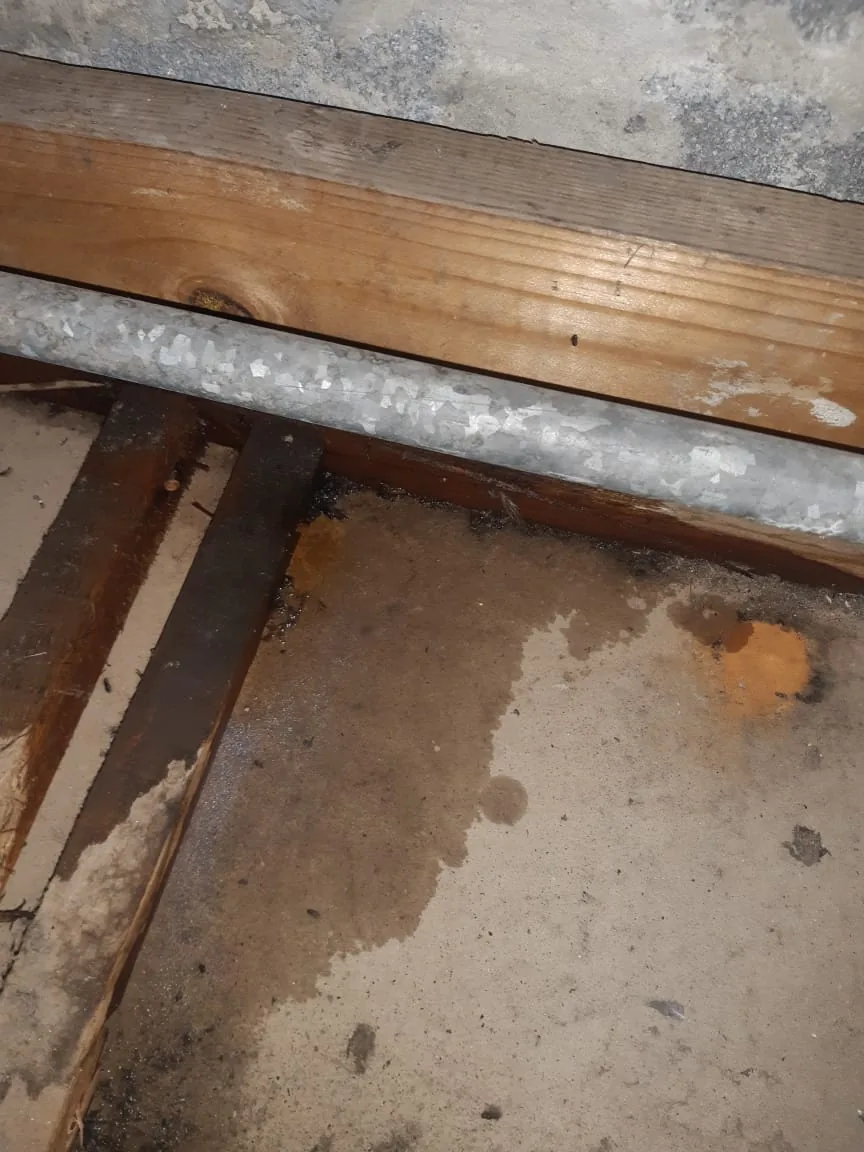
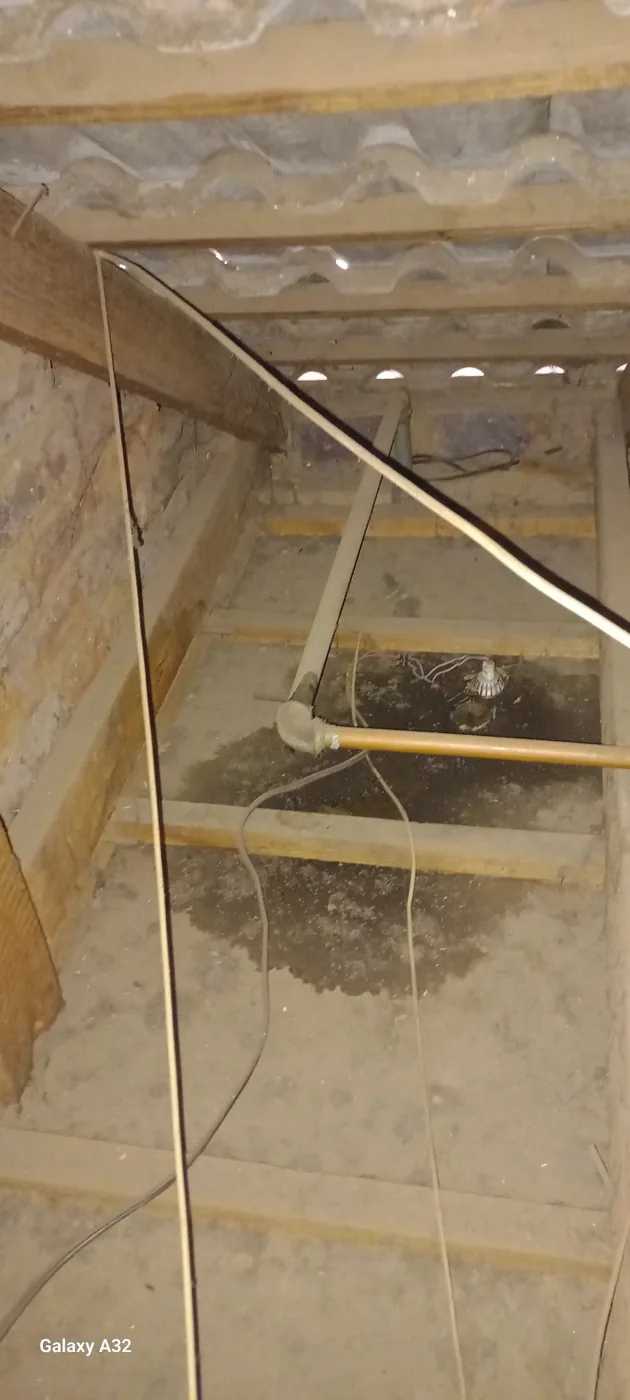
Service detail: Ceiling leaks can come from hot-water lines, cold supply pipes, geyser connections, upstairs bathrooms or apartment services above the visible stain.
What to look for: Ceiling drips, sagging boards, paint bubbles, water at cornices, wet downlights or damp cupboard tops.
Repair path: Isolate safely, confirm whether the leak is above or within the ceiling, expose the smallest practical area and repair the failed pipe or fitting before drying and reinstatement are planned.
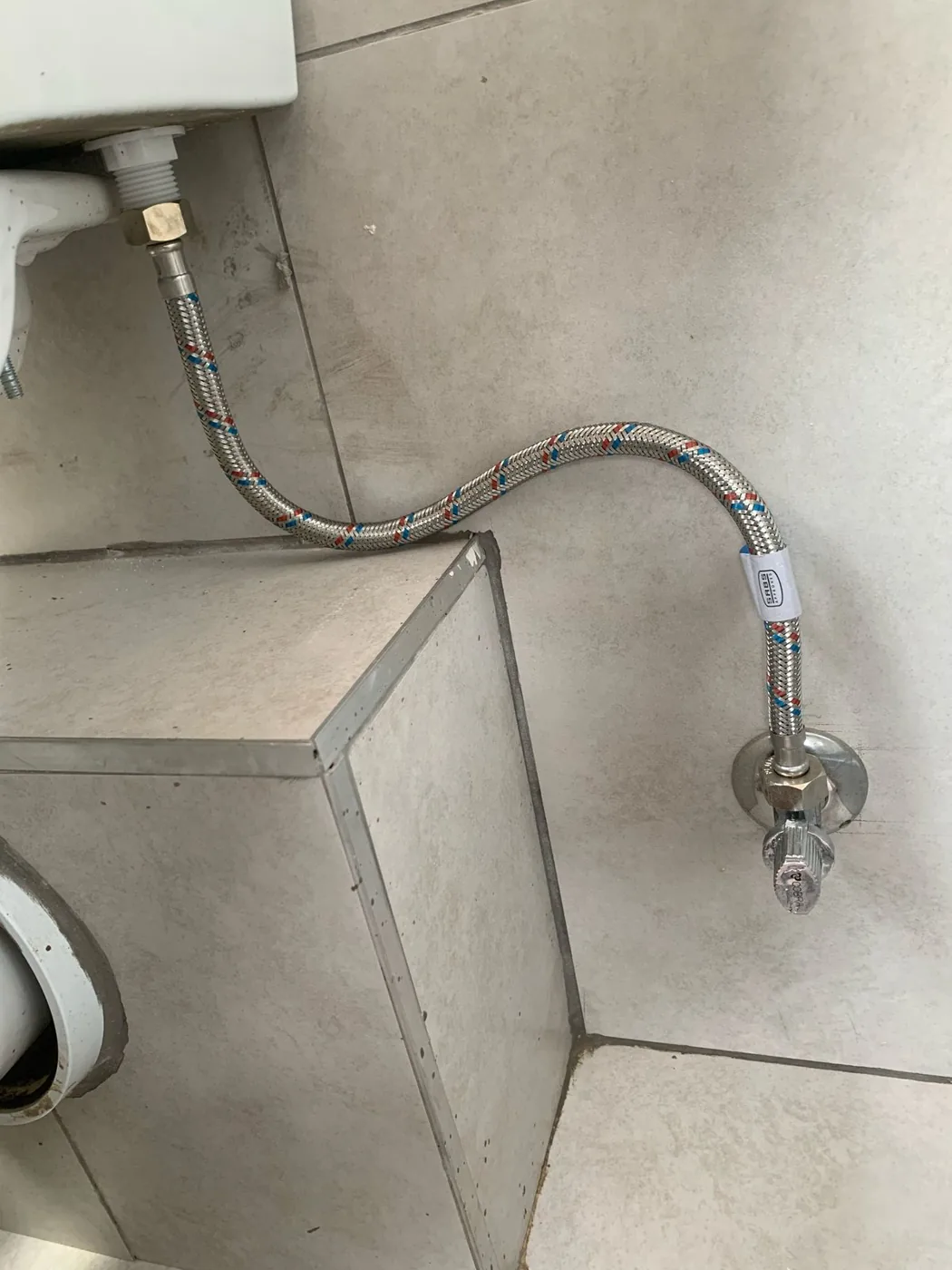
Service detail: Flexi connectors under basins, toilets, kitchen sinks and appliances can fail suddenly, especially after pressure spikes.
What to look for: Water spraying under a cupboard, swollen boards, a wet vanity, water behind a toilet or sudden flooding after the water supply returns.
Repair path: Close the local angle valve if safe, replace the failed connector, check the valve thread and inspect nearby flexi hoses that may be the same age.
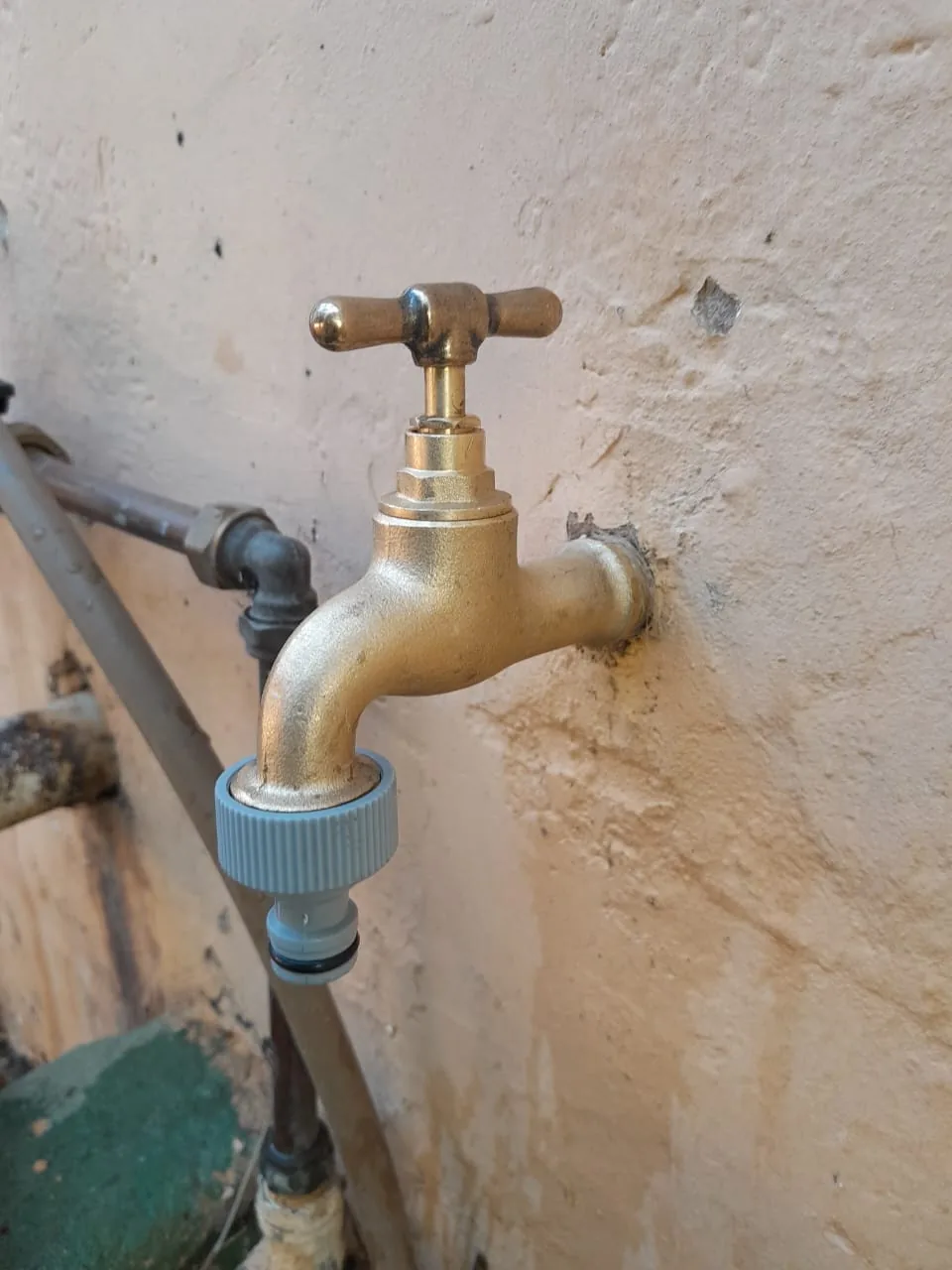
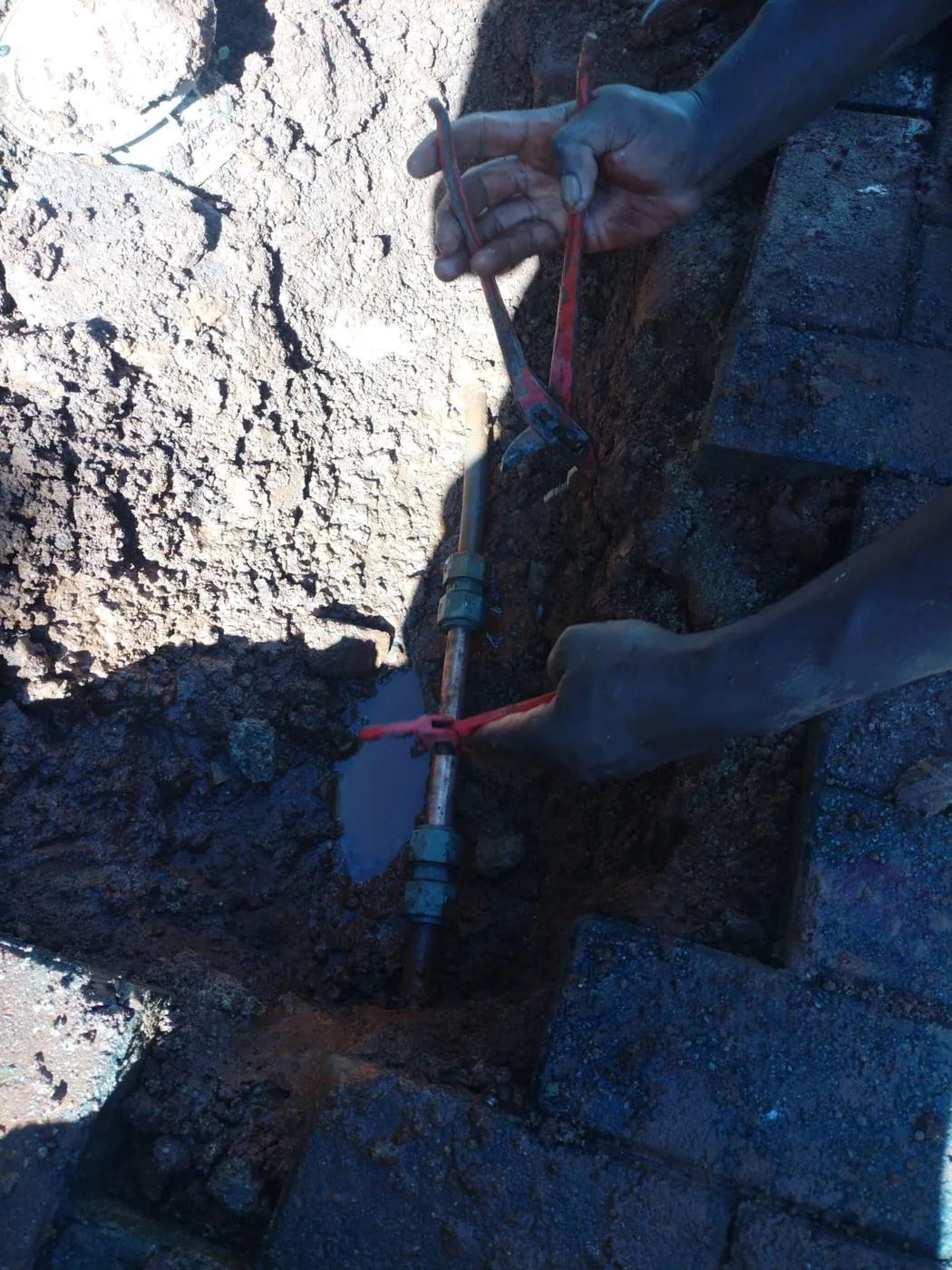
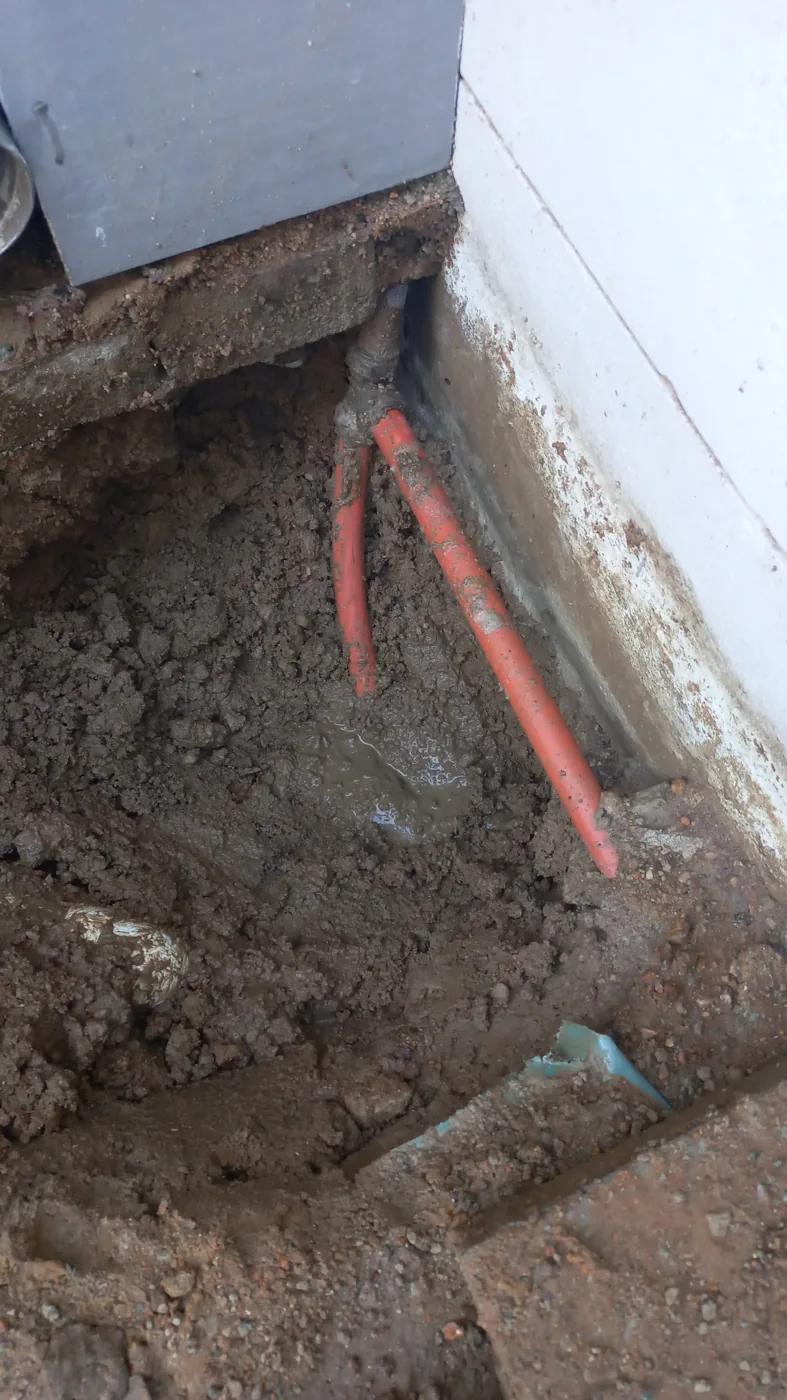
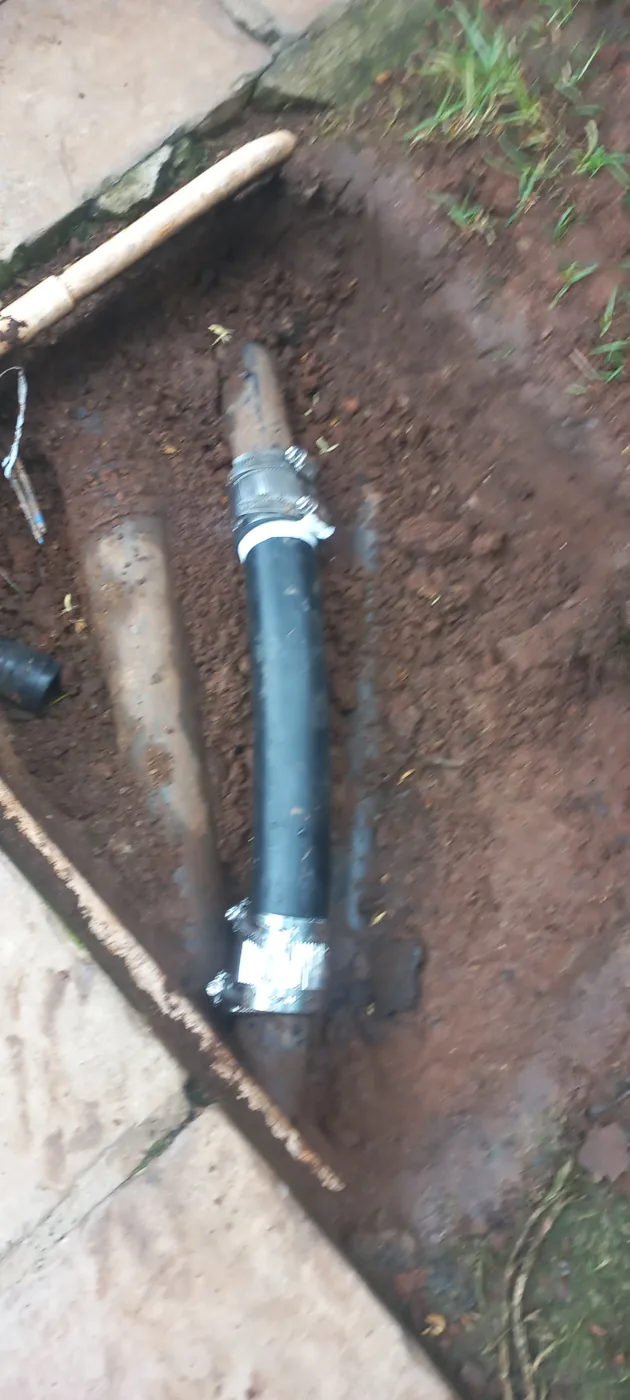
Service detail: Underground private lines can split under paving, gardens, driveways, boundary walls or irrigation areas.
What to look for: Meter movement with taps closed, wet paving, soft soil, unexplained high water use or water running from a garden bed.
Repair path: Confirm the private-side leak, trace the likely line, open carefully, replace the failed section and test before the trench or paving is closed.
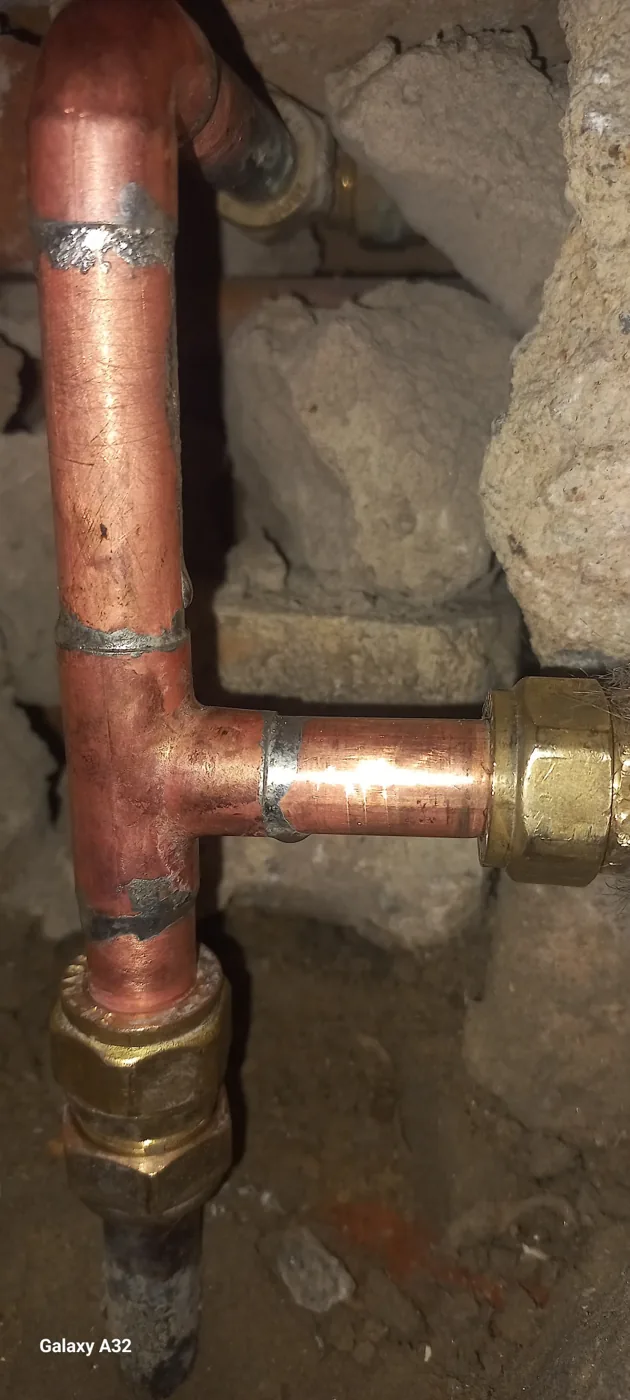
Service detail: Pipes behind tiles, vanity walls, kitchen walls and shower mixers can fail at elbows, solder joints, compression fittings or old galvanised sections.
What to look for: Warm tiles, damp grout, paint bubbles, moisture behind cupboards, water appearing at skirtings or repeated mould in one corner.
Repair path: Use symptoms and testing to narrow the location before breaking. Open a controlled area, repair the failed pipe and leave a clear record for reinstatement.
Service detail: Apartment pipe failures can be inside a unit, in a service duct or on a line that passes through shared structure.
What to look for: Water entering a unit below, damp bathroom walls, a leak affecting a neighbour or a building manager asking for technical confirmation.
Repair path: Coordinate access, identify the supply branch, separate owner and building responsibility where practical, repair the private-side failure and document the finding.
Service detail: When bursts repeat, the failed pipe may be the symptom while pressure control is the cause.
What to look for: Banging pipes, valve discharge, flexi hoses failing after outages, geyser overflow changes or multiple fittings leaking in a short period.
Repair path: Repair the active burst, then check PRV condition, isolation valves and pressure behaviour so the same problem does not move to the next weakest fitting.
Private-side clarity
We are a privately owned plumbing company. Municipal street bursts and public supply outages must be reported to the relevant authority, while our work focuses on private plumbing from the meter inward.
If the meter is spinning while all taps are closed, water is inside the boundary, a flexi hose has failed, a ceiling is leaking or a private garden line has burst, the fault usually needs local plumbing support.
If the burst is in the road, pavement, municipal servitude or before the meter, it should be reported to the city. We can still help you understand what you are seeing before you book a private repair.
For managed buildings, offices, estates and insurance-related claims, photos, fault notes and access details help owners, trustees, managing agents and insurers understand what was repaired.
Connected Sandton services
A burst is sometimes the visible emergency, while the cause may be pressure, a hidden leak, geyser components, ageing fittings or poor isolation. These related services help customers choose the next step after the water has been contained.
Use this when water is spreading now, the leak cannot be isolated, a ceiling is dripping or the issue is affecting another unit or business area.
Emergency plumbing help →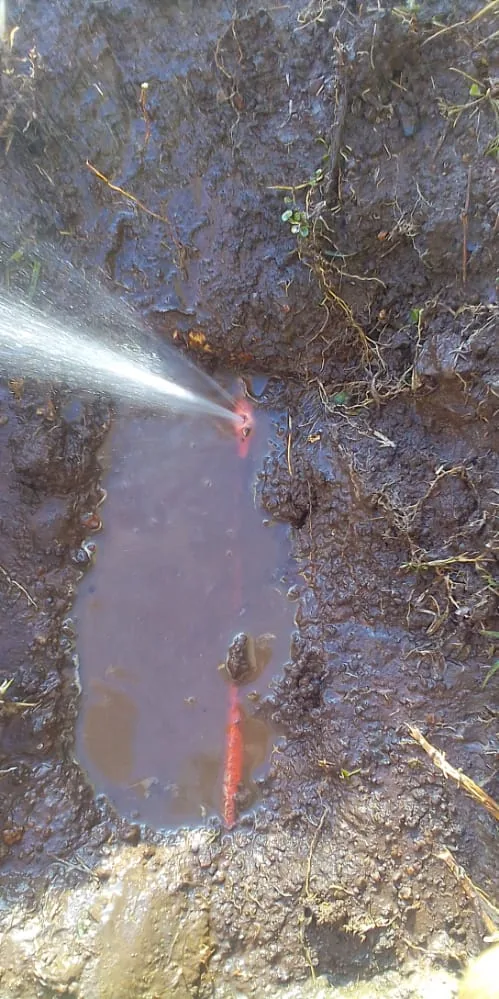
Use this when the meter moves but the burst is not visible, paving is wet without an obvious source or a wall or slab leak must be located before opening finishes.
Leak detection help →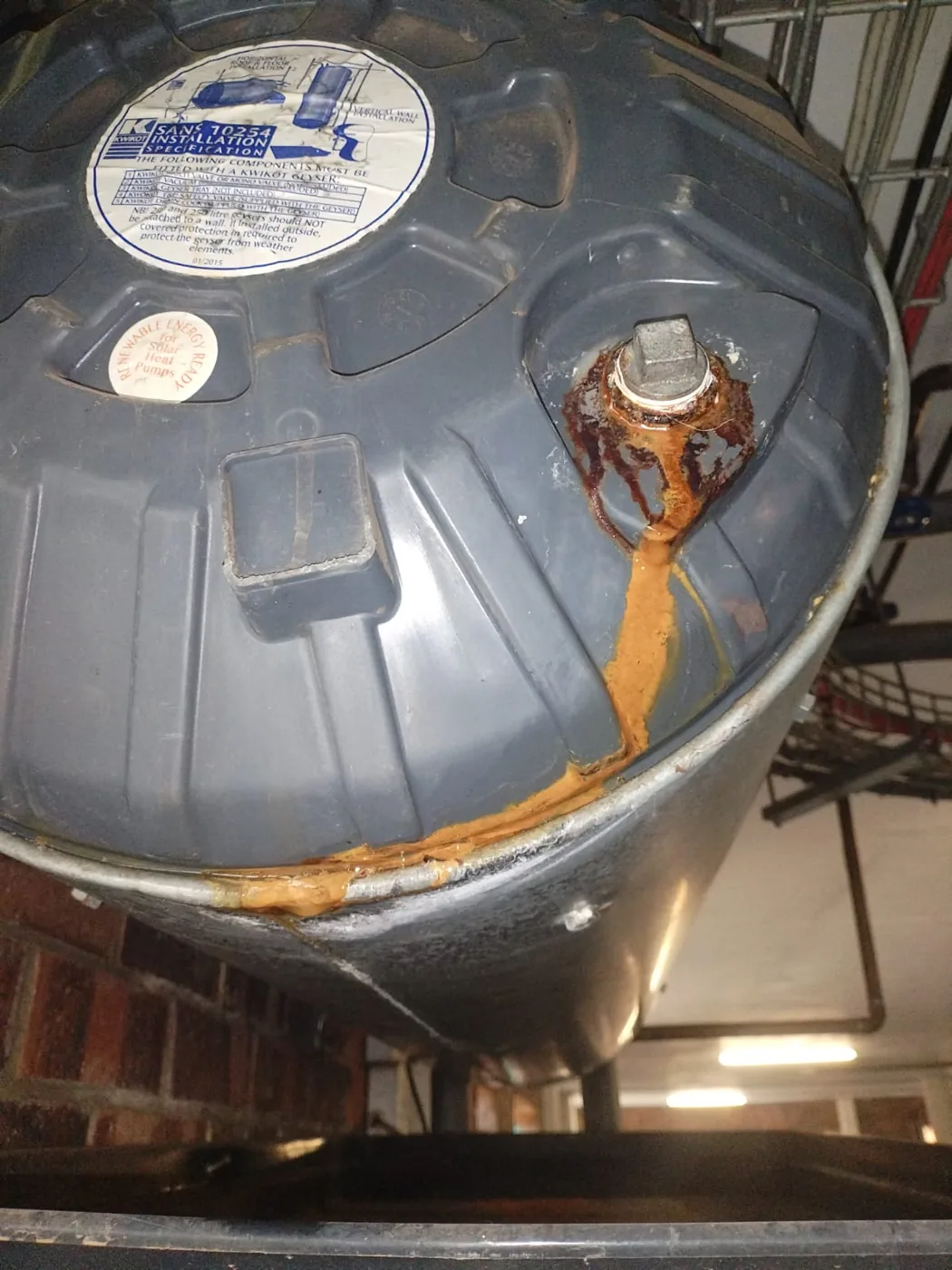
Use this when the burst involves hot water, overflow discharge, ceiling damp below a geyser, valve failure or repeated pressure-related hot-water symptoms.
Geyser repair help →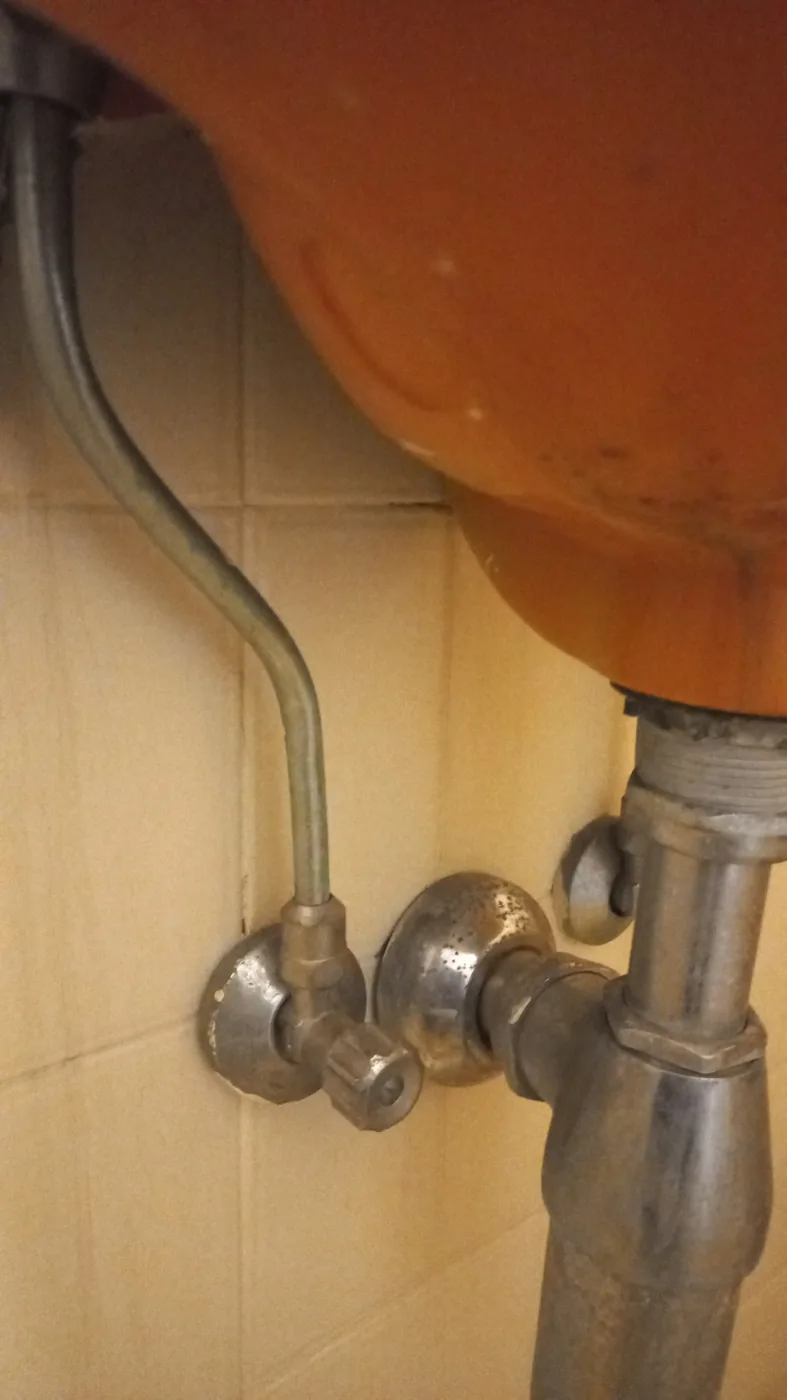
Use this when a burst affects a toilet connector, basin flexi hose, shower mixer wall, vanity cupboard or bathroom wall pipe.
Bathroom plumbing help →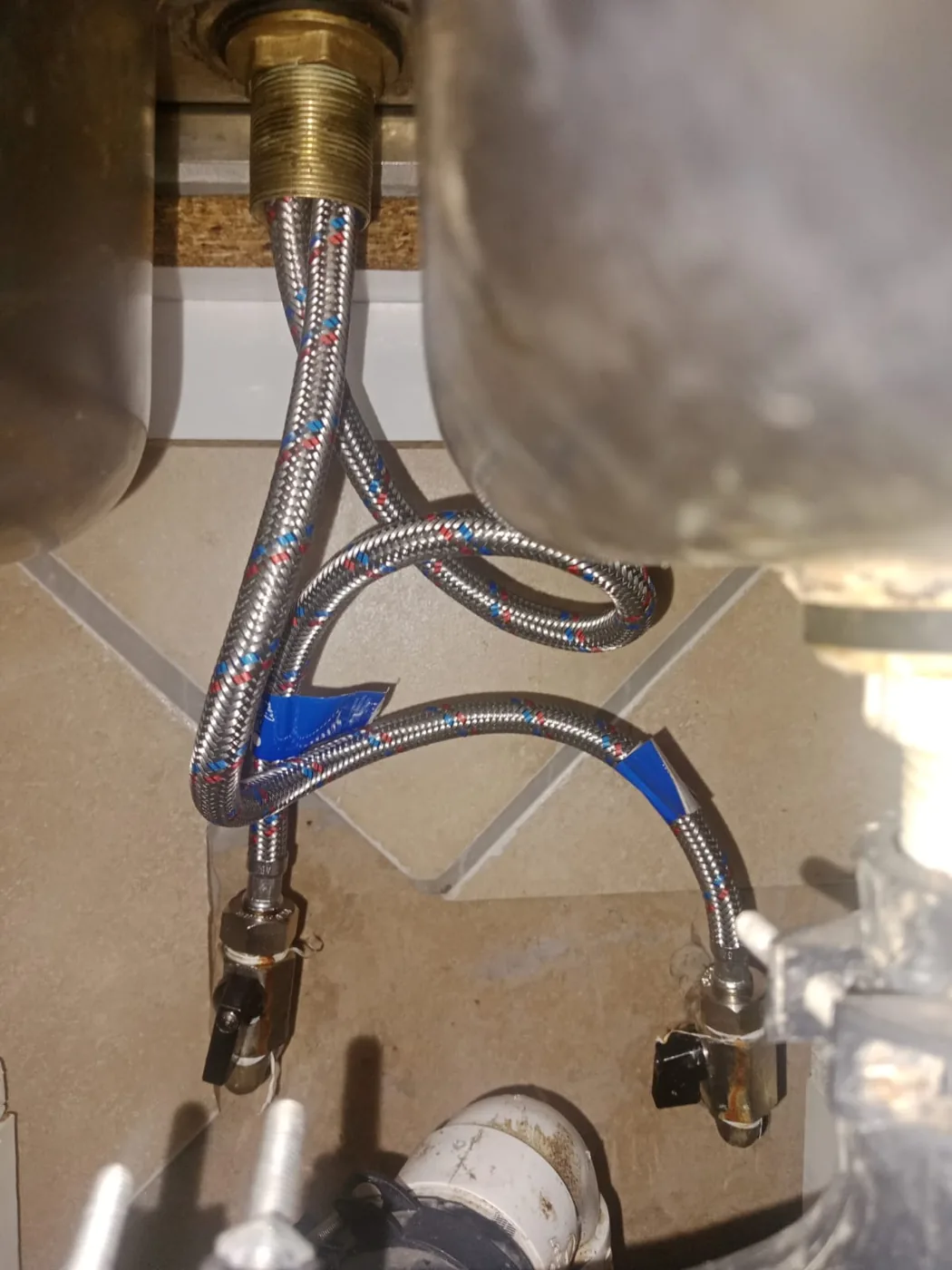
Use this when the leak is under a sink, behind a dishwasher, near an appliance connection or inside a kitchen cupboard.
Kitchen plumbing help →
Use this after repeated small leaks, ageing flexi hoses, poor valves or pressure complaints, especially in rentals, offices and managed apartments.
Maintenance plumbing help →Sandton FAQs
Burst-pipe answers for Sandton homeowners, tenants, landlords, trustees, managing agents, estates, apartments and offices.
Close the nearest safe isolation valve or the private main stop tap if you know where it is. Move valuables away from the water path, avoid wet electrical areas and WhatsApp photos, your location pin, building name and access details.
Yes. High-rise burst pipes can involve unit branches, service ducts, stacked bathrooms and shared risers. We focus on containment first, then help identify whether the fault appears to be inside the unit or part of a shared building service.
Yes. Water can travel through ceilings, ducts and walls into lower units before the original failure is visible. In managed buildings, fast isolation and clear access coordination are critical.
When supply returns after an interruption, pressure surges and trapped air can stress weak flexi hoses, old valves, copper joints and pressure-control components. Repeated failures may indicate a PRV or pressure-management issue.
Yes. Garden and driveway bursts often show as wet paving, soft soil, a spinning meter or water moving along a boundary wall. The repair normally involves tracing the private line, exposing the failed section and pressure testing before closing.
If the leak is after the meter, inside the boundary, under private paving, inside the home, in a ceiling or on a fixture connection, it is usually private-side plumbing. Street bursts and faults before the meter should be reported to the municipality.
Yes. We first narrow the likely leak position so the smallest practical area is opened. This is important in Sandton bathrooms with stone, marble, imported tiles or high-value finishes.
Send your Google location pin, building or estate name, unit number, gate code or security process, photos of the leak, whether water is still spreading and whether the nearest valve has been closed.
Yes. A failed flexi hose can release a large amount of water very quickly under a basin, behind a toilet, in a kitchen cupboard or near an appliance. It should be isolated immediately if safe.
Yes. Office burst pipes may involve staff kitchens, bathrooms, ceiling voids, risers or plant-room services. Access through security, building management and loading bays should be shared early.
A correctly functioning PRV can help protect private plumbing from excessive pressure. If bursts repeat after outages or valves keep failing, a pressure-control check is sensible after the active leak is repaired.
Stay away from wet electrical areas and do not touch switches while standing in water. Keep people clear and report that electrics are wet when you call or WhatsApp.
Where practical, we can provide a clear description of the observed fault, repair area and private-side finding. Photos and access details also help with insurance and managed-building communication.
Yes. The repair method depends on the pipe material, location, pressure, access and condition of nearby fittings. The goal is to repair the failed section correctly rather than hide a weak joint.
If the pipe has failed because of pressure, corrosion, movement, poor installation, repeated outages or ageing connectors, the repair should include a cause check so the next weakest point does not fail soon after.