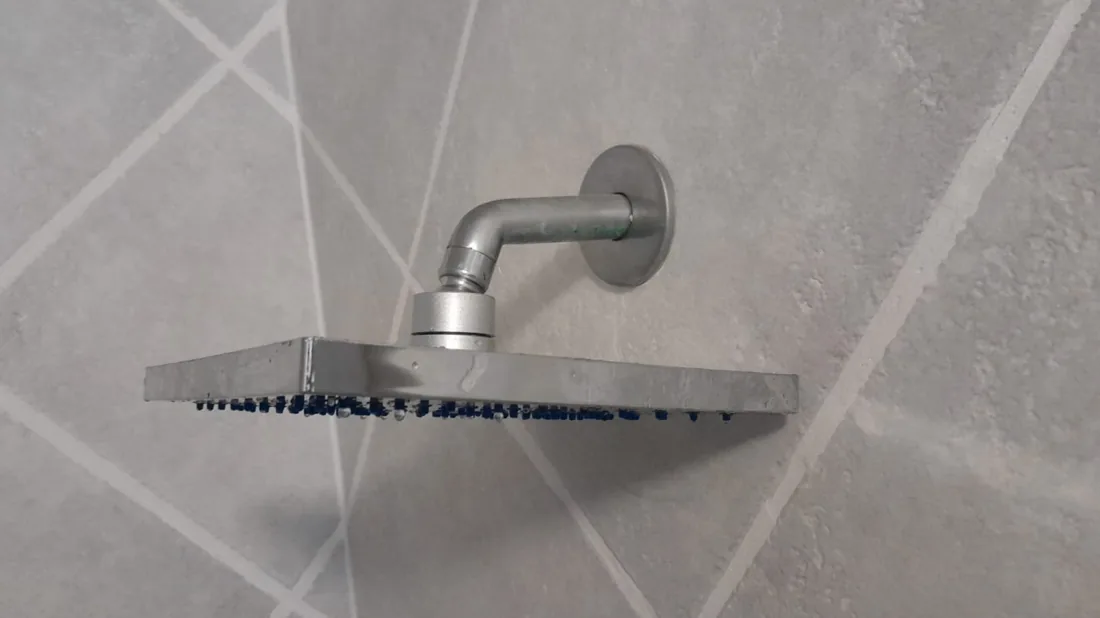
Bathroom repairs for Sandton apartments, high-rises, estates, offices and homes where toilets, showers, baths, basins, mixers and hidden leaks must be handled without unnecessary damage to finishes.
Our Sandton bathroom plumbing work is planned around security access, body-corporate rules, high-value tiles, stone vanities, glass screens, pressure-balanced fittings and the risk of water moving into another unit or office below.
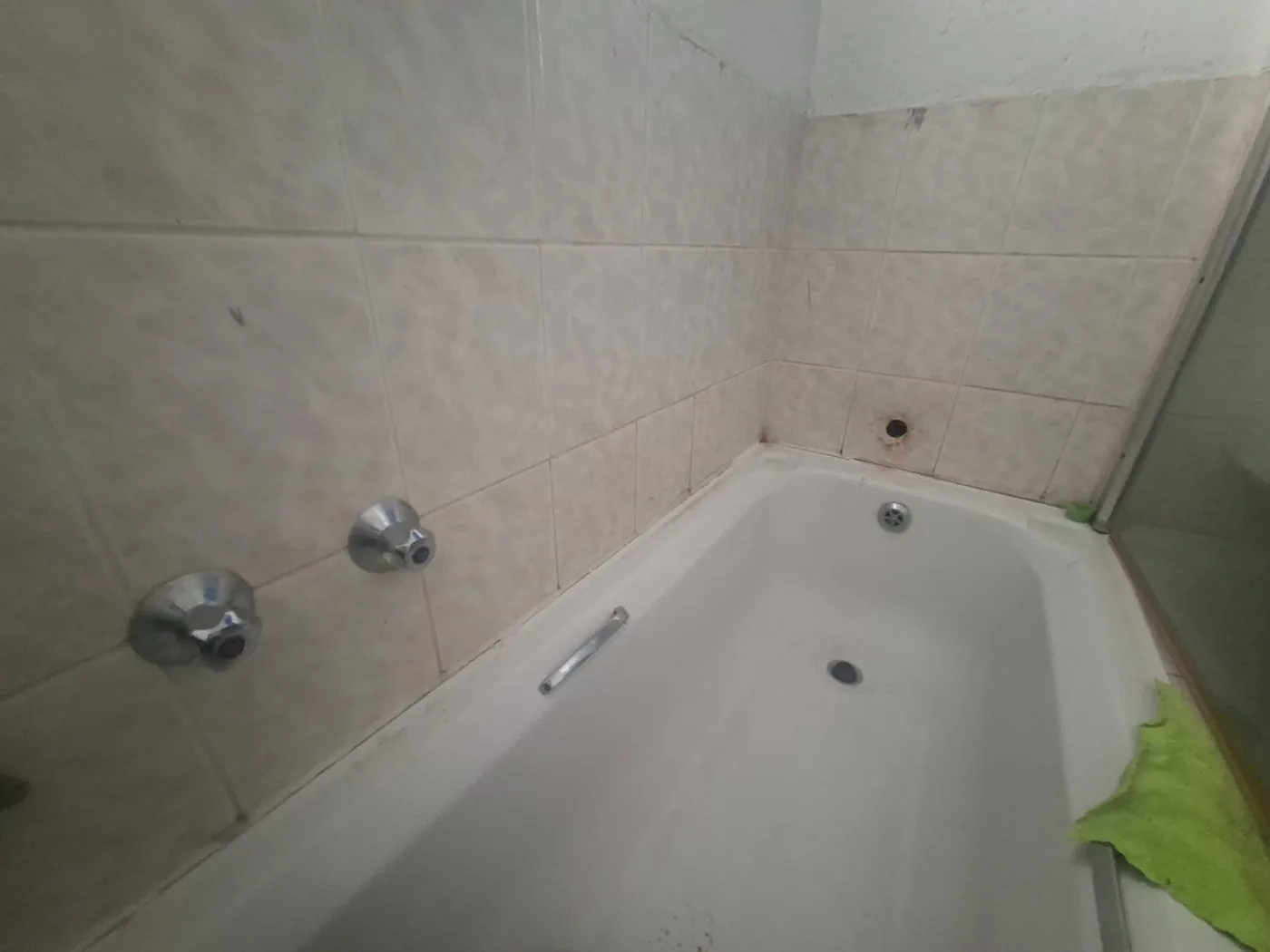
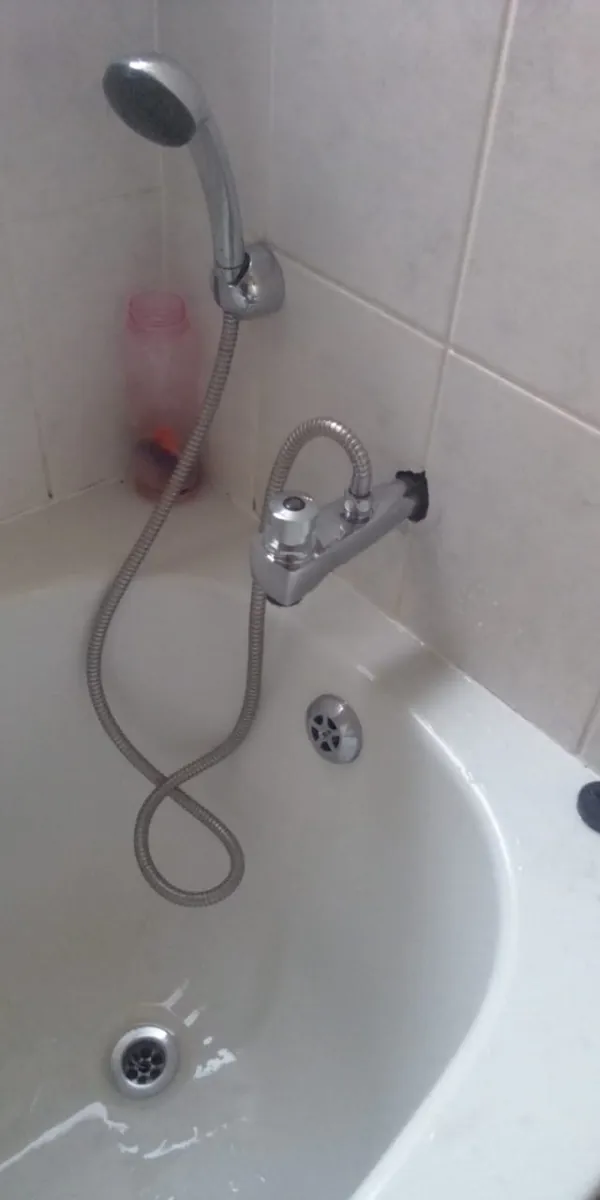
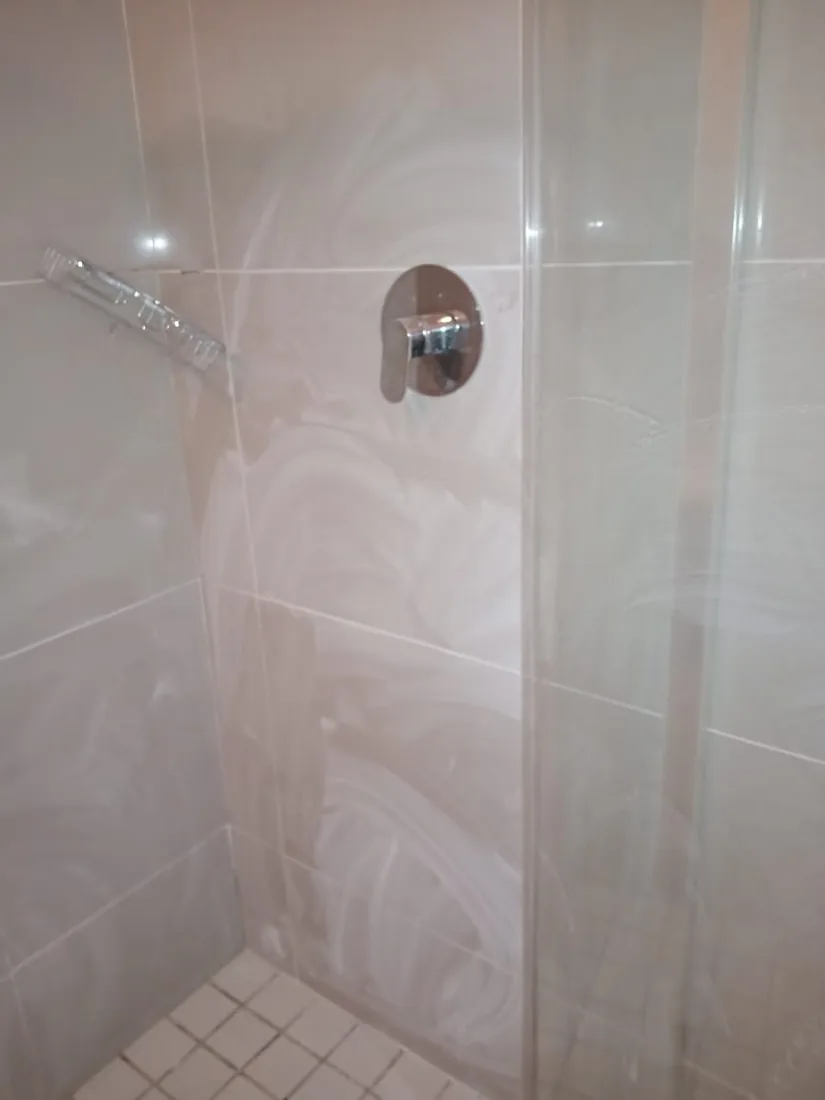
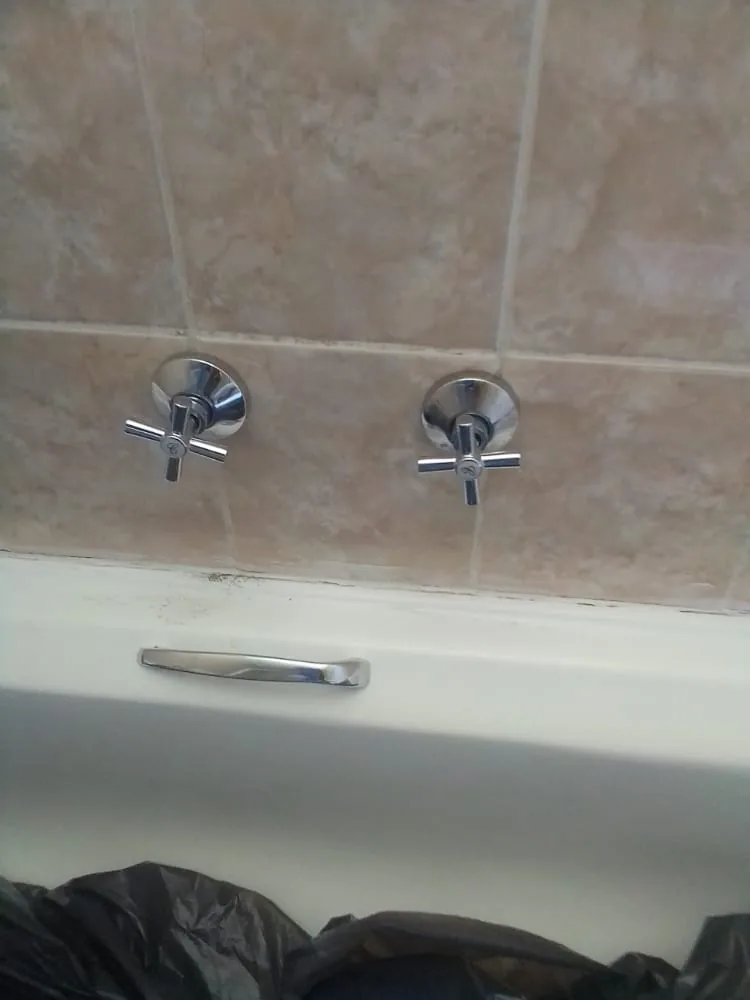
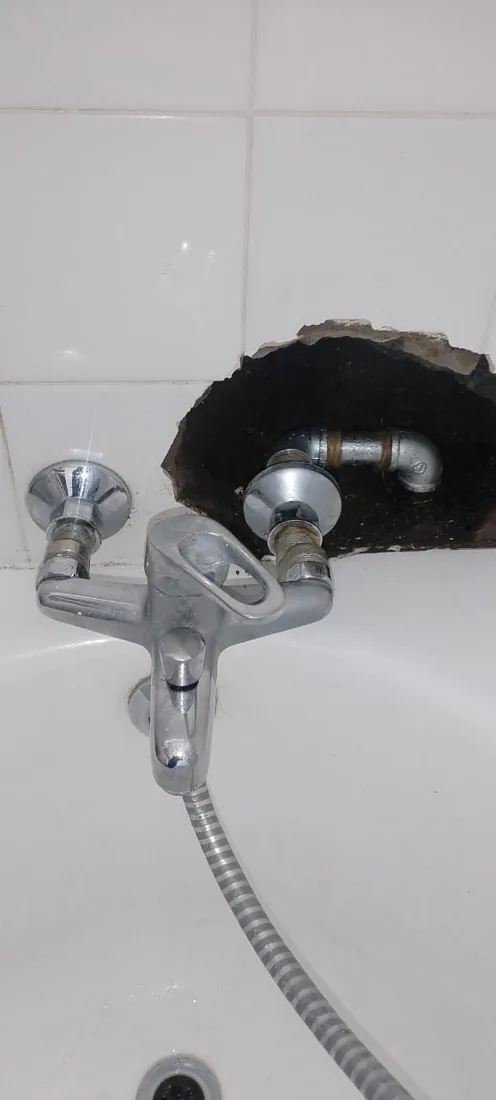
Bathroom plumbing Sandton bath, shower and tiled wall plumbing inspection.
Sandton help line067 139 9980Send the building name, location pin and photos.
A bathroom leak in Sandton is often more than a dripping tap. In apartments, hotels, offices and high-end homes, water can move behind tiles, through vanity units, into ceilings below or across shared walls before the visible damage makes sense.
Access first
For apartments, estates, offices and high-security buildings, access information is part of the repair plan. The building name, tower, reception process, loading-bay entrance, lift access, unit number and pre-clearance details can save valuable time before the plumber even reaches the bathroom.
Symptom before guesswork
The same bathroom can need plumbing, drainage, leak tracing or hot-water support. A wet vanity points one way; a slow shower points another; a running cistern points somewhere else. We separate the symptom before sending the customer to the wrong service.
Finish protection
Tiles, stone tops, glass screens, waterproofed areas and built-in vanities need careful handling. We look for isolation valves, access panels, waste positions and pipe direction before opening walls, cupboards or bath panels.
Sandton trade notes
High-rise bathrooms, pressure-balanced showers and luxury finishes.
Bathroom plumbing in Sandton is shaped by vertical buildings, high water demand, premium fittings and strict access control. The same shower fault can be a cartridge issue, a pressure-control symptom, a hot-water problem or a leak behind the wall plate.
High-rise pressure behaviour
Bathrooms in towers near Sandton City, Nelson Mandela Square, The Marc and the Sandton CBD can behave differently from ground-floor homes. Pressure zones, booster systems and pressure-balancing cartridges can cause weak flow, temperature swings or noisy shower mixers.
Finish protection first
Sandton bathrooms often include marble tops, frameless glass, imported tiles and premium fittings. We look for the least disruptive access point first, then explain whether the fault sits at the valve, mixer, trap, waste, connector, pipework or waterproofed area.
Useful access detail
For buildings around Rivonia Road, Grayston Drive, West Street, Sandown, Morningside, Bryanston and Hyde Park, send the complex or building name, parking instructions, unit number, floor level and whether security requires pre-clearance.
Bathroom service options
Choose the bathroom problem you are seeing.
Start with the exact symptom: a running cistern, water behind the toilet, a slow shower, a bath waste issue, a leaking basin mixer, a damp vanity or a pressure problem. Each item below explains the likely fault, the warning signs and how the repair is normally approached.
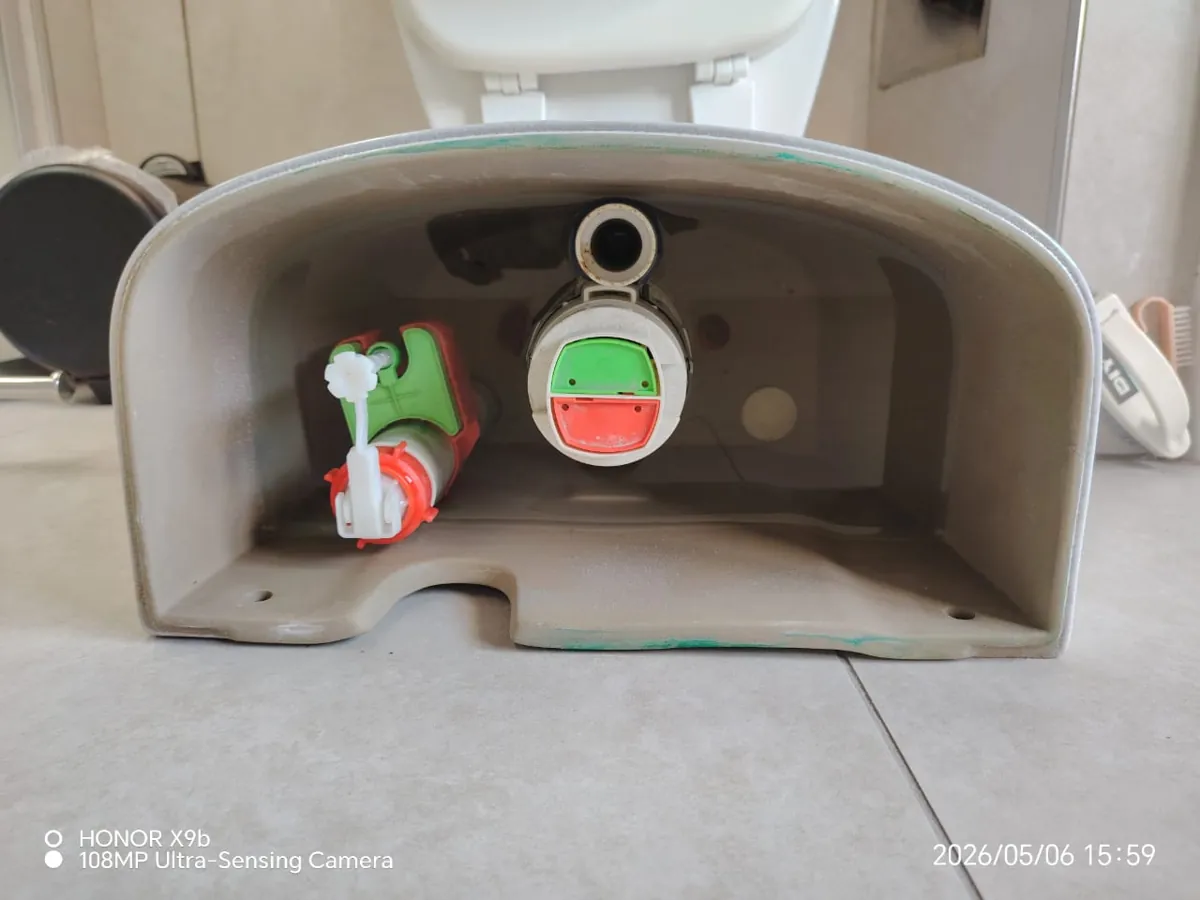
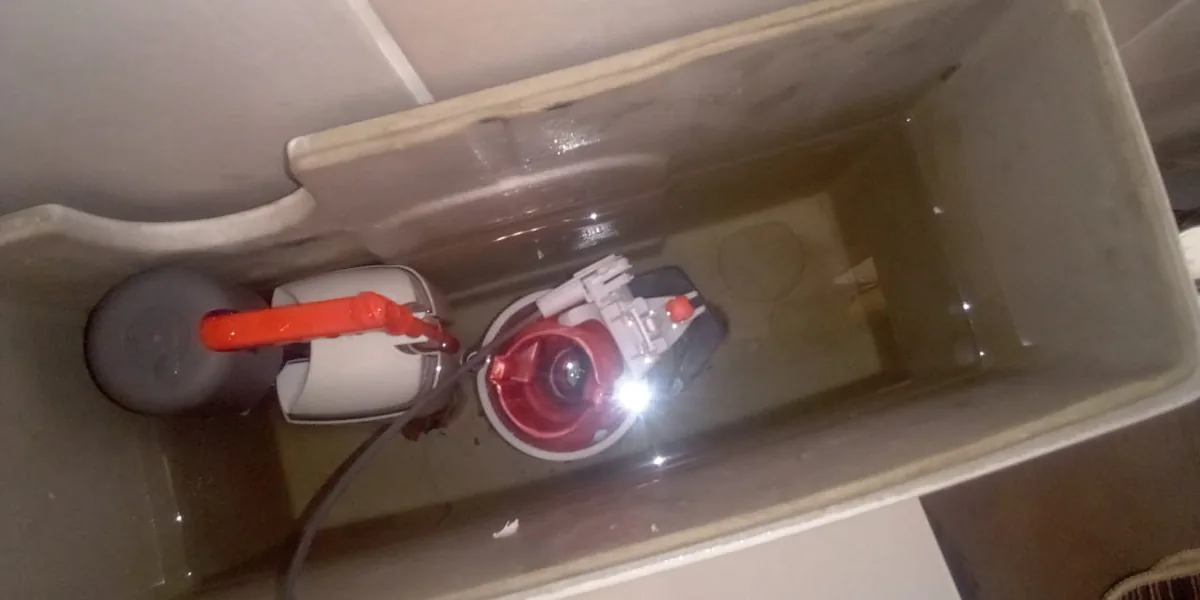
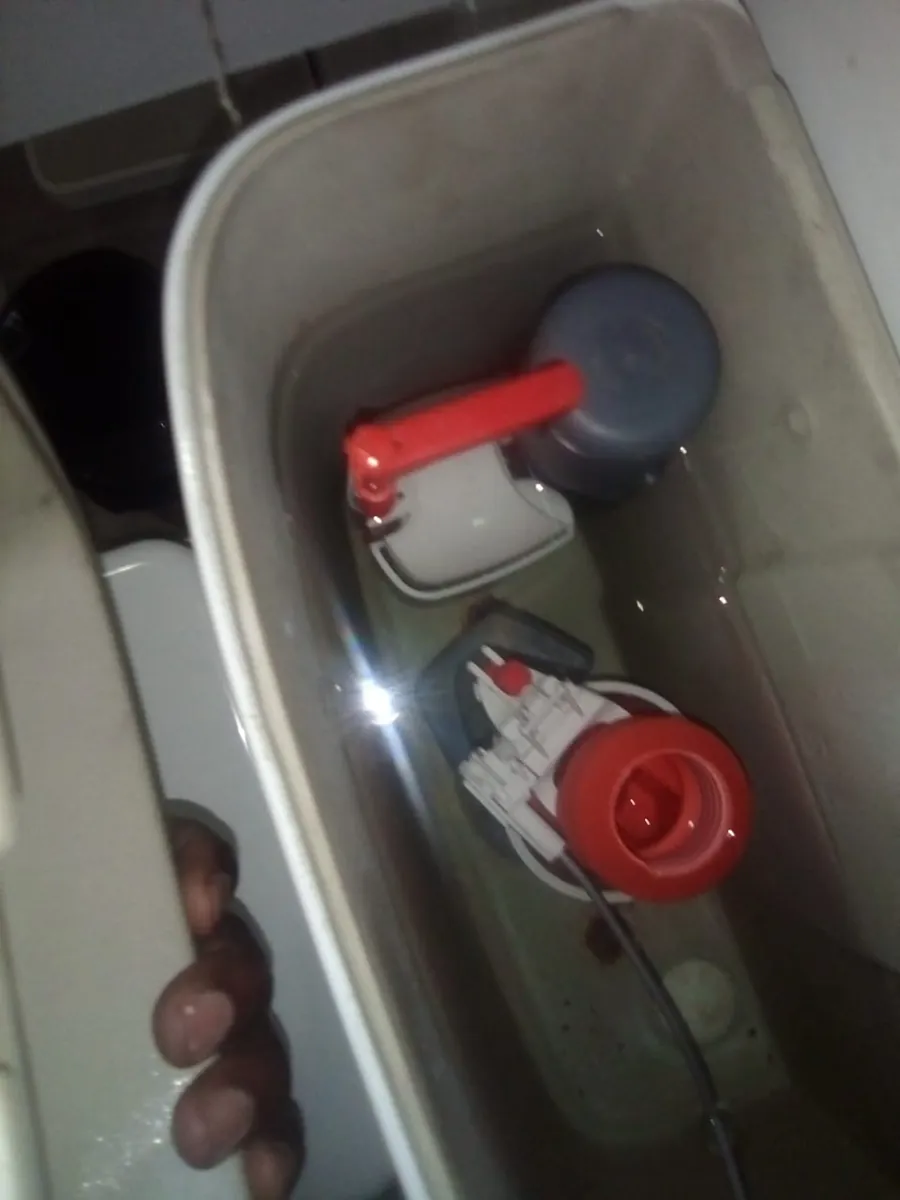
Toilet cistern running water
Service detail: A cistern that keeps filling wastes water and can become expensive in Sandton apartments, rental units and offices where nobody hears the trickle during the day. The fault is usually inside the cistern, but the water usage and noise can quickly become a landlord or body-corporate concern.
What to look for: Listen for repeated refilling, watch for water trickling into the pan, check whether the cistern only stops after the handle is touched, and note if the water level sits close to the overflow.
Repair path: Test the inlet valve, flush valve, float height, flush seal and overflow level. Replace only the failed parts, then confirm the cistern stops cleanly after several flushes.
Service detail: An overflowing toilet cistern can turn from an annoying drip into floor damage, especially in apartments where water can track through slabs or into the unit below.
What to look for: water escaping from the overflow, wet marks behind the pan, water running after every flush, or a cistern that fills higher than normal.
Repair path: isolate the toilet if possible, check the overflow setting and inlet valve, then replace or adjust the valve assembly correctly.
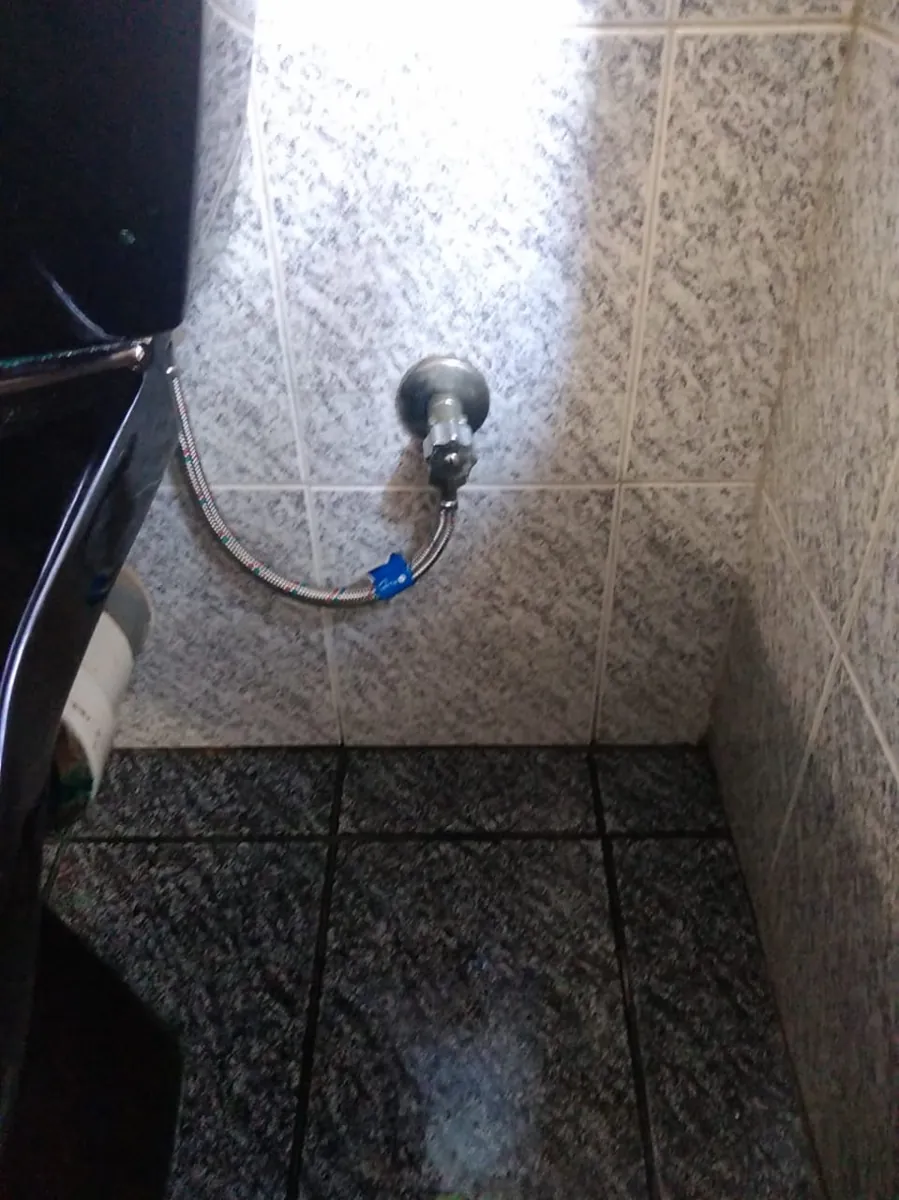
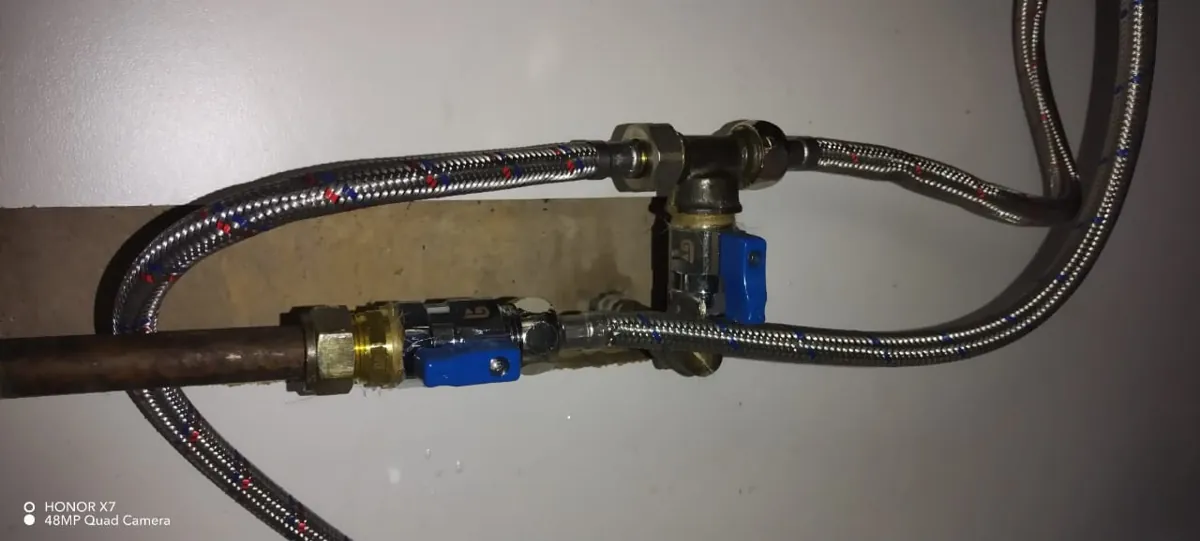
Service detail: The small valve behind the toilet controls water into the cistern. When it fails, the leak can sit low behind the pan and stay unnoticed until grout, skirting or the unit below is affected.
What to look for: water around the wall valve, damp behind the toilet, staining at the tile penetration, or dripping that appears only while the cistern refills.
Repair path: test the mini stop valve, confirm the wall connection is sound, and replace the valve or connector without disturbing tiles unnecessarily.
Service detail: A braided connector can leak at the nut, split under pressure or fail where it bends behind the toilet. This is small hardware with a big damage risk.
What to look for: beads of water on the hose, rust-coloured marks, a swollen or kinked flexi, moisture after flushing, or a fine spray against the wall tile.
Repair path: isolate safely, remove the failing connector, inspect the wall thread and cistern entry, then fit a suitable replacement and test under pressure.
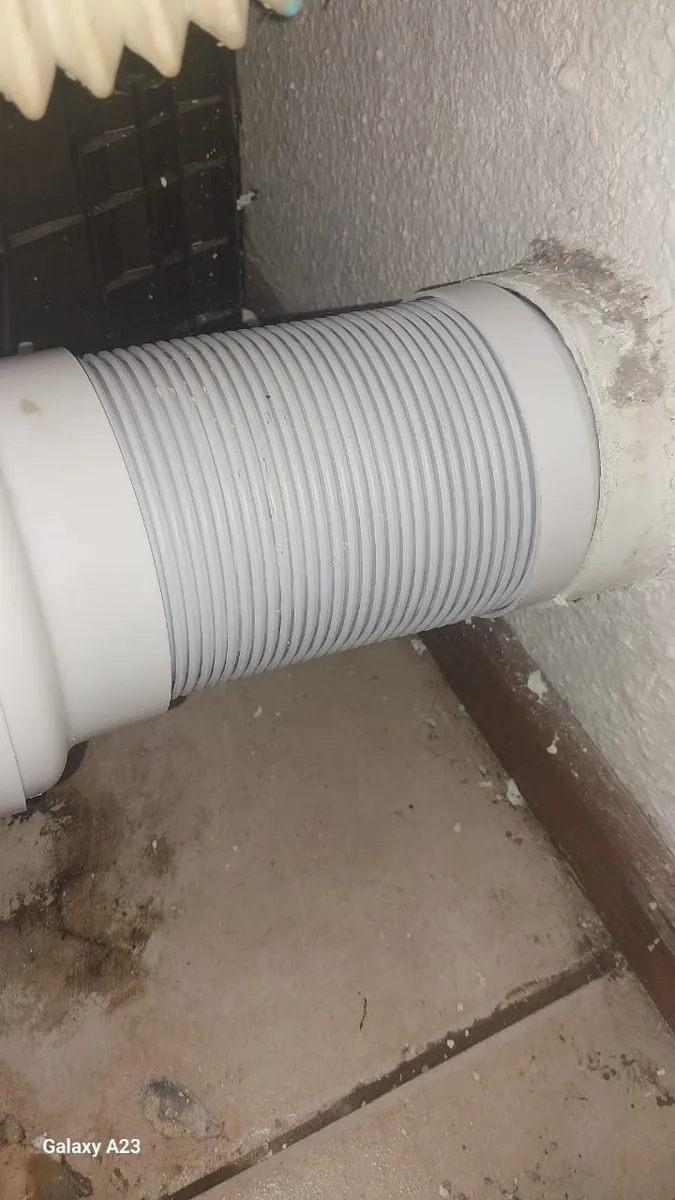
Service detail: Water around the base of a toilet may come from the pan connector, cistern bolts, flush pipe, floor seal or a nearby supply valve. Guessing can lead to unnecessary breaking.
What to look for: water around the pan foot, odour near the back of the toilet, movement in the toilet pan, damp grout, or leaking only after flushing.
Repair path: separate clean-water leaks from waste-water leaks, check the flush and pan connectors, then reseal or repair the correct point.
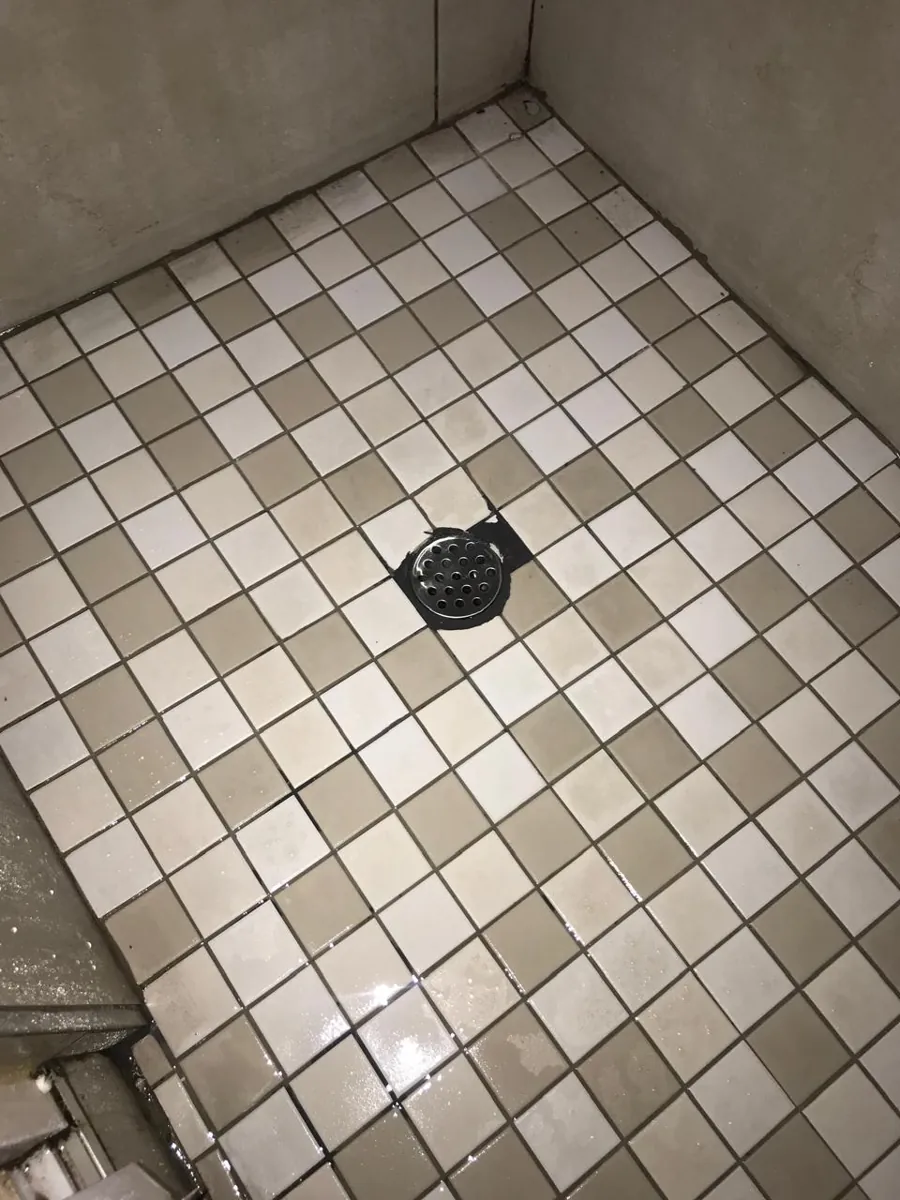
Service detail: A slow shower usually starts with hair, soap, trap restriction or a waste-line fall problem, but in apartments it can also point to a shared branch line.
What to look for: water pooling around your feet, gurgling after the shower drains, bad smells, or water rising again after the shower is switched off.
Repair path: check the shower trap, waste outlet, hair restriction and branch waste before treating it as a larger drain fault.
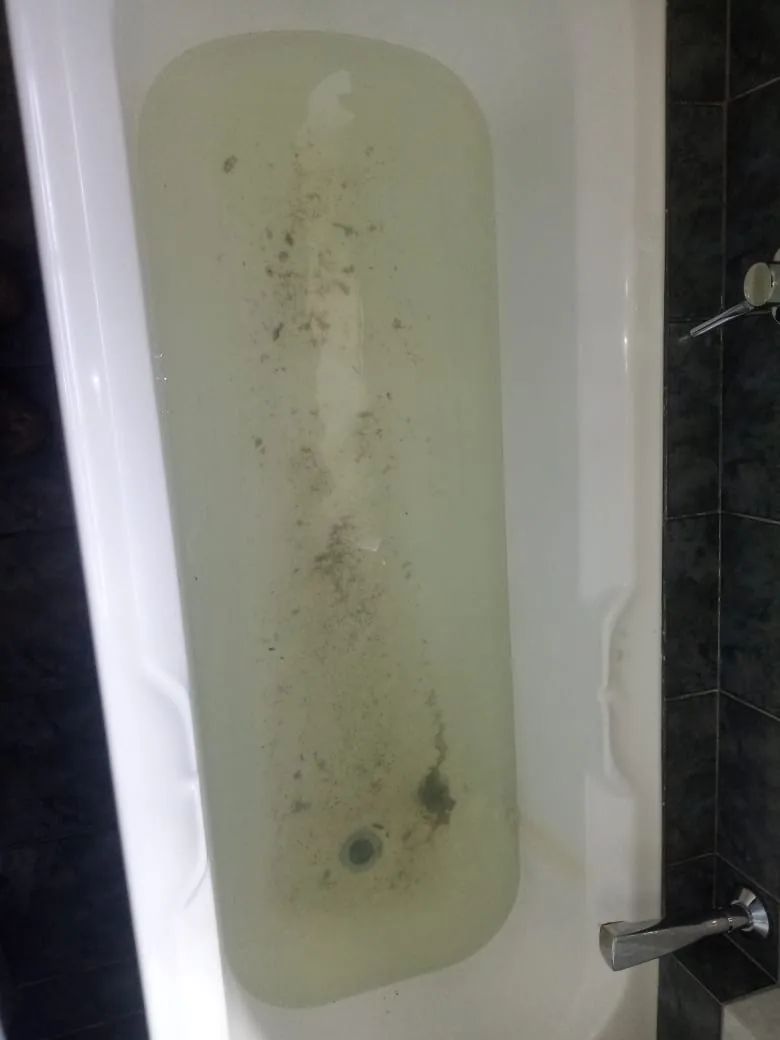
Service detail: Bath water that drains slowly or leaves dirty water behind can come from hair, soap build-up, a restricted trap, poor waste fall or a shared bathroom waste line.
What to look for: bath water standing too long, debris returning near the waste, gurgling from the basin, or water marking around the bath panel or surrounding tiles.
Repair path: inspect the bath waste and overflow access, clear the local restriction where possible, then test whether the basin or shower shares the same problem.
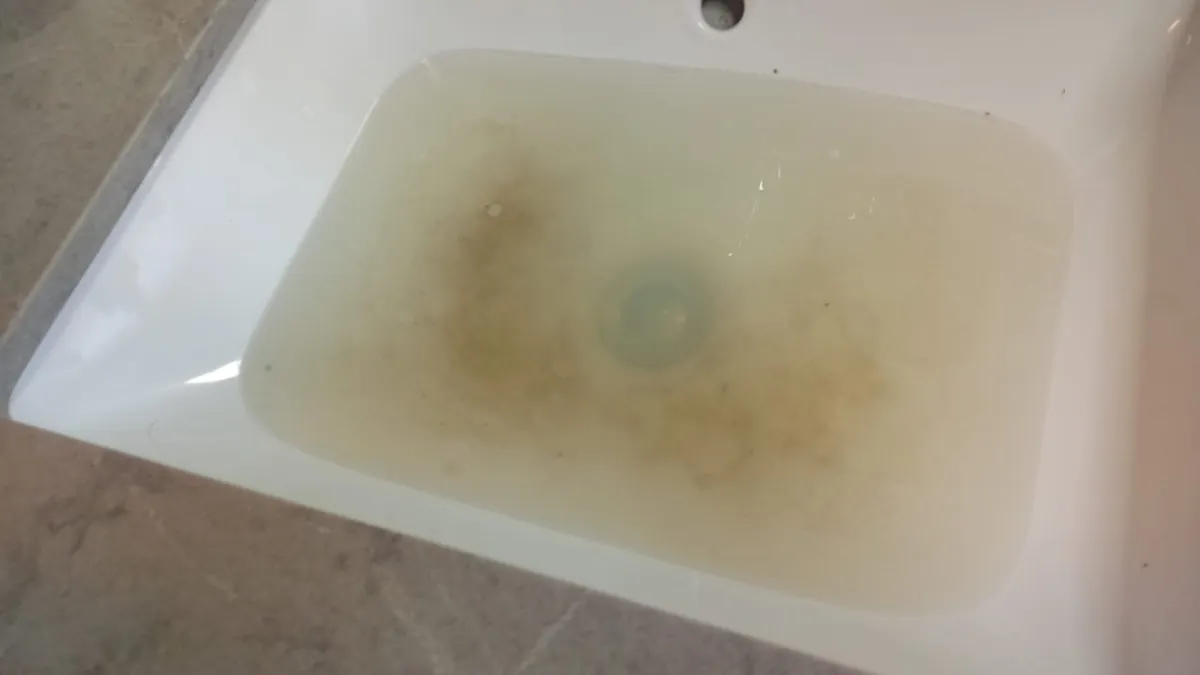
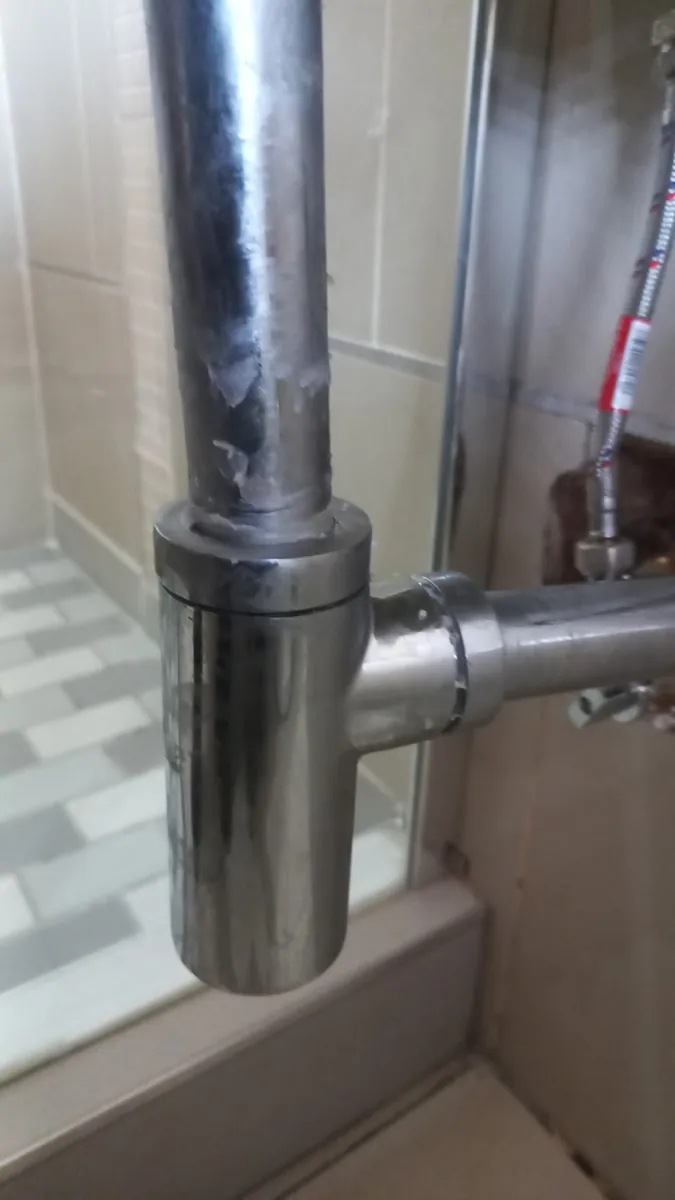
Service detail: Basin drainage faults often sit in the trap, pop-up waste, overflow channel or short branch waste. A basin can smell or gurgle even when the rest of the bathroom seems fine.
What to look for: water sitting in the basin, bubbles from the waste, smells after use, black residue around the plug, or water dripping into the cupboard while the basin drains.
Repair path: clean and test the trap and waste, inspect the pop-up mechanism and overflow path, then confirm the branch line is draining properly.
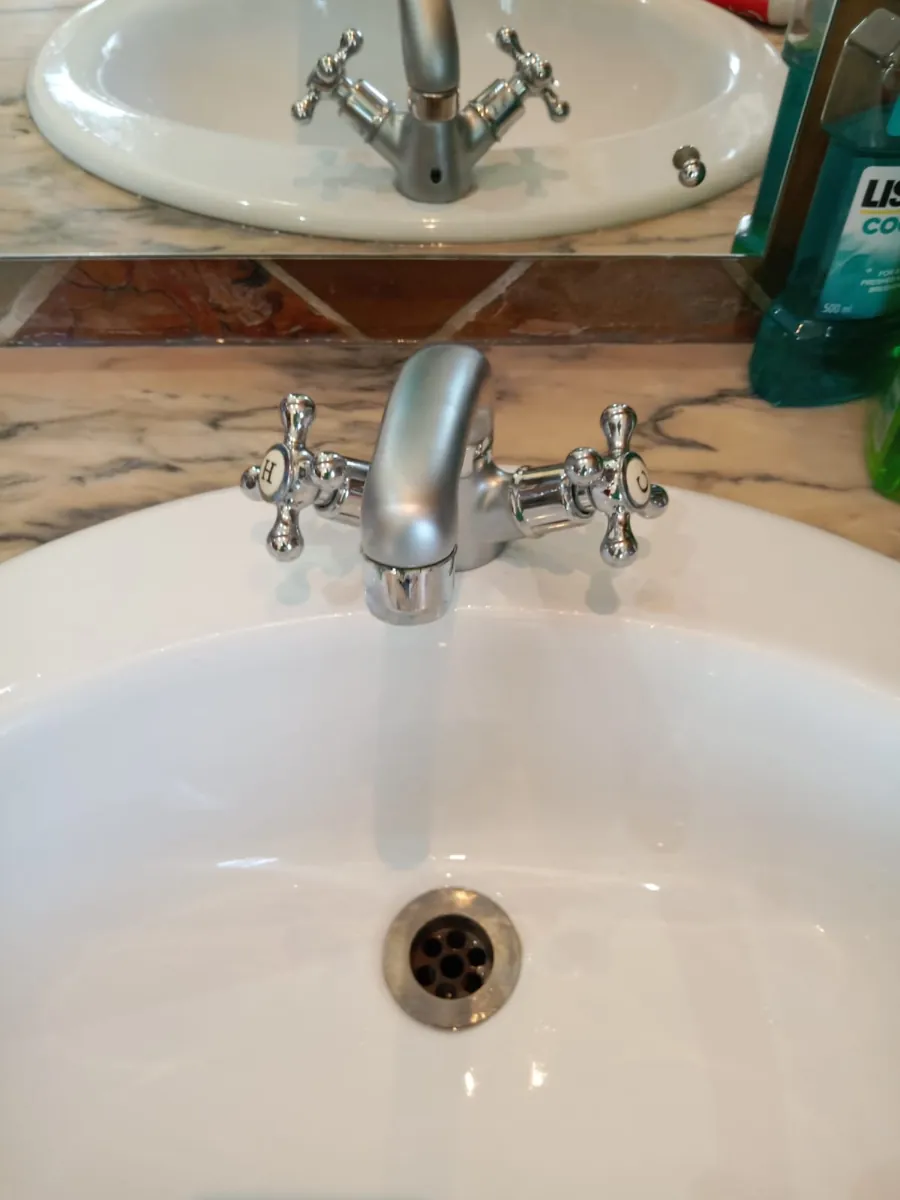
Service detail: A basin mixer leak can damage a vanity before water reaches the floor. In Sandton bathrooms with fitted cabinets or stone tops, the first visible sign is often swelling, a mineral mark or a damp smell inside the cupboard.
What to look for: Look for water around the tap base, stiff handle movement, dripping from the spout, wet flexible pipes under the basin, swollen boards or moisture after the basin has been used.
Repair path: Isolate hot and cold feeds, test the mixer body and connectors, then repair or replace the cartridge, seal, flexible connector or fitting as needed.
Service detail: The basin waste, pop-up plug and overflow connection can leak only when water is released, making the fault easy to miss during a quick visual check.
What to look for: water in the vanity after the basin empties, a loose plug mechanism, staining around the waste, a damp shelf below the trap or smell from the overflow channel.
Repair path: fill and release the basin while observing the waste, overflow and trap, then reseal or replace the leaking waste component.
Service detail: A wet vanity can come from the mixer, trap, waste, overflow, isolation valve or a pipe behind the cabinet. The stain location usually tells the story.
What to look for: swollen boards, mould smell, water after handwashing, damp at the back panel, white mineral marks, or a cupboard base that stays wet overnight.
Repair path: test clean water and waste water separately, dry the area, then repair the exact source before the cabinet absorbs more moisture.
Service detail: A bath mixer fault may involve stiff controls, dripping, poor temperature balance or water escaping behind the wall plate or bath surround.
What to look for: dripping spout, loose handle, water behind the chrome cover, hot-and-cold imbalance, or damp tiles below the mixer after the bath is used.
Repair path: check isolation access, pipe centres, fitting condition and tile risk before opening the wall or replacing the mixer.
Service detail: A shower mixer or wall-plate leak can be serious in tiled Sandton bathrooms because water may run behind the wall before appearing in the next room or the unit below. The problem may be the mixer body, cartridge, connector, pipework behind tiles or the seal around the wall plate.
What to look for: Look for damp tiles below the mixer, loose chrome covers, temperature changes, weak hot water, bubbling paint behind the shower wall or water appearing after the shower has been used.
Repair path: Confirm whether the water is clean supply water, a fitting leak or a waterproofing-related leak. We check the safest access point before any tile opening is planned.
Service detail: Bathroom replacements must match the pipework, wall depth, basin holes, bath layout and finish risk. A good-looking fitting still needs the correct plumbing behind it.
What to look for: stiff handles, dripping taps, loose spouts, rust around fittings, wrong-size connectors, poor hot-and-cold control or old fittings that cannot be sealed properly.
Repair path: confirm the fitting type, isolation access, connector size and finish protection before replacing the tap, mixer, waste or valve.
Service detail: A hidden bathroom leak may travel under tiles, behind skirtings, through grout lines, into walls or down into a ceiling below. In apartments and high-rise buildings, the wet mark is often not directly below the failed fitting.
What to look for: Look for loose tiles, bubbling paint, damp outside the bathroom, ceiling stains below, mould smell, warm floor spots or meter movement when fixtures are closed.
Repair path: Trace the likely source before breaking. The repair may involve a valve, connector, waste fitting, shower wall, bath overflow, pipe behind tiles or a pressure-related fault.
Service detail: Weak flow, unstable shower temperature or poor hot-water delivery in Sandton can come from the bathroom fitting, a blocked shower head, a faulty cartridge, a pressure-control issue, a geyser valve or building pressure behaviour in high-rise blocks.
What to look for: Check whether one bathroom is affected or the whole property, whether hot and cold behave differently, whether the shower changes when another tap opens, and whether the problem started after other plumbing work.
Repair path: Test the affected fixture first, then check isolation valves, cartridges, aerators, shower heads, PRV behaviour and geyser-related causes before recommending a replacement.
When a bathroom fault needs another Sandton service.
Bathrooms connect to the rest of the plumbing system: hot water, pressure control, drainage, hidden pipework, burst-pipe repair and planned maintenance. Use these links when the bathroom symptom is really pointing to a wider private-property fault.
Active water movement
Use emergency plumber Sandton when water is spreading from a toilet, valve, flexi connector, shower wall, bath area or ceiling below. This is the right option when containment matters before the full repair is planned.
Hidden moisture
Use leak detection Sandton when the bathroom wall, slab, vanity, passage wall or ceiling below is damp but the source is unclear. This is useful before opening tiles or removing cupboards.
Waste-line symptoms
Use blocked drains Sandton when the shower, bath, basin or toilet is slow, gurgling, smelling or backing up after normal use. Bathroom waste faults can be local, shared or connected to a larger branch line.
Pipe or connector failure
Use burst pipe repairs Sandton when a pressurised bathroom pipe, mini stop valve, flexi connector or wall connection fails and water continues to move while taps are closed.
Hot-water fault
Use geyser repairs Sandton when the bathroom has no hot water, poor hot-water pressure, valve discharge, tripping power or repeated hot-and-cold imbalance at more than one fixture.
Planned checks
Use maintenance plumbing Sandton for landlords, body corporates, offices and managed properties that want cisterns, valves, traps, wastes, mixers and pressure symptoms checked before they become emergency damage.
Bathroom Plumbing Sandton FAQs
Sandton bathroom plumbing FAQs.
Practical answers for Sandton bathrooms in apartments, high-rises, estates, offices, restaurants, homes and managed buildings.
Do you work in Sandton high-rise apartments?
Yes. We assist with bathroom plumbing in Sandton apartments, towers and managed buildings where access control, floor level, shared risers, pressure zones and the risk of water reaching another unit all need to be considered.
Why does my Sandton shower temperature keep changing?
Temperature swings can come from a mixer cartridge, blocked shower head, pressure imbalance, geyser issue, PRV concern or building pressure behaviour. We check whether the problem affects one shower or the whole property before replacing parts.
Can you help protect imported tiles or marble bathroom finishes?
Yes. In high-value Sandton bathrooms we use a diagnosis-first approach. We check valves, wastes, traps, meter movement, wall-plate areas and likely access points before recommending any opening of tiles, stone, vanities or bath panels.
Are your plumbers ready for high-security Sandton buildings?
Yes. Sandton access often involves security desks, biometric gates, estate codes, loading bays and managing-agent approval. Send the building name, location pin, unit number, parking instruction and any pre-clearance details so the technician can get to the bathroom fault without losing time at reception.
Can a bathroom leak affect the unit below?
Yes. A leaking toilet connector, shower waste, bath overflow, basin waste or pipe behind tiles can travel through slabs or service ducts. Quick isolation and clear photos help owners, tenants, trustees and insurers understand the fault.
What causes a toilet cistern to keep running?
A running cistern can be caused by a worn inlet valve, flush valve, seal, float setting, overflow level or mineral build-up. The fault should be checked before constant refilling wastes water and increases the bill.
What can cause water behind a toilet?
Water behind a toilet can come from the inlet valve, flexi connector, flush pipe, cistern bolts, pan connector or wall penetration. Photos of the valve, hose, floor and back of the toilet help narrow the cause.
Why is my vanity cupboard damp?
A damp vanity can come from a basin mixer, flexible connector, isolation valve, trap, pop-up waste, overflow connection or hidden pipe behind the cabinet. The leak is tested by separating clean-water use from waste-water discharge.
Why is my shower drain slow?
A slow shower drain is often caused by hair, soap build-up, trap restriction or a branch waste issue. In apartments it can also point to a shared line, so the basin, bath and toilet symptoms should be checked too.
Can bath wastes and overflows leak out of sight?
Yes. A bath waste, trap or overflow can leak under the bath or behind the bath panel and appear as damp skirting, mould smell or a ceiling mark below. Access is checked before any disruptive work is planned.
Do you replace bathroom mixers and fittings?
Yes. We can replace suitable basin mixers, bath mixers, shower fittings, wastes, traps, mini stop valves and connectors after checking pipe position, isolation access, connector size, wall depth and finish protection.
What causes low pressure at one bathroom fixture?
Low pressure at one fixture may be caused by a blocked aerator, restricted shower head, faulty cartridge, mini stop valve, pipe restriction or fitting problem. If several fixtures are affected, pressure control or geyser-related causes may also be checked.
When is a bathroom leak an emergency?
It is urgent when water is spreading, a toilet will not stop overflowing, a ceiling below is wet, another unit is affected, water is near electrical points, or the only working toilet or shower is unusable.
Are you part of the municipality?
No. We are a privately owned plumbing company. The municipality handles public mains and outages, while we handle private-side bathroom plumbing, valves, fittings, leaks, wastes and pipes from the meter inward.
What photos should I send for a bathroom plumbing request?
Send photos of the fixture, valve, connector, waste pipe, wet area, wall or floor damage and any ceiling mark below. For buildings near Sandton City, Sandown, Morningside, Rivonia Road, Grayston Drive or West Street, include the building name and access details.